Why Do I Have Pins and Needles in My Hands: Causes & Relief

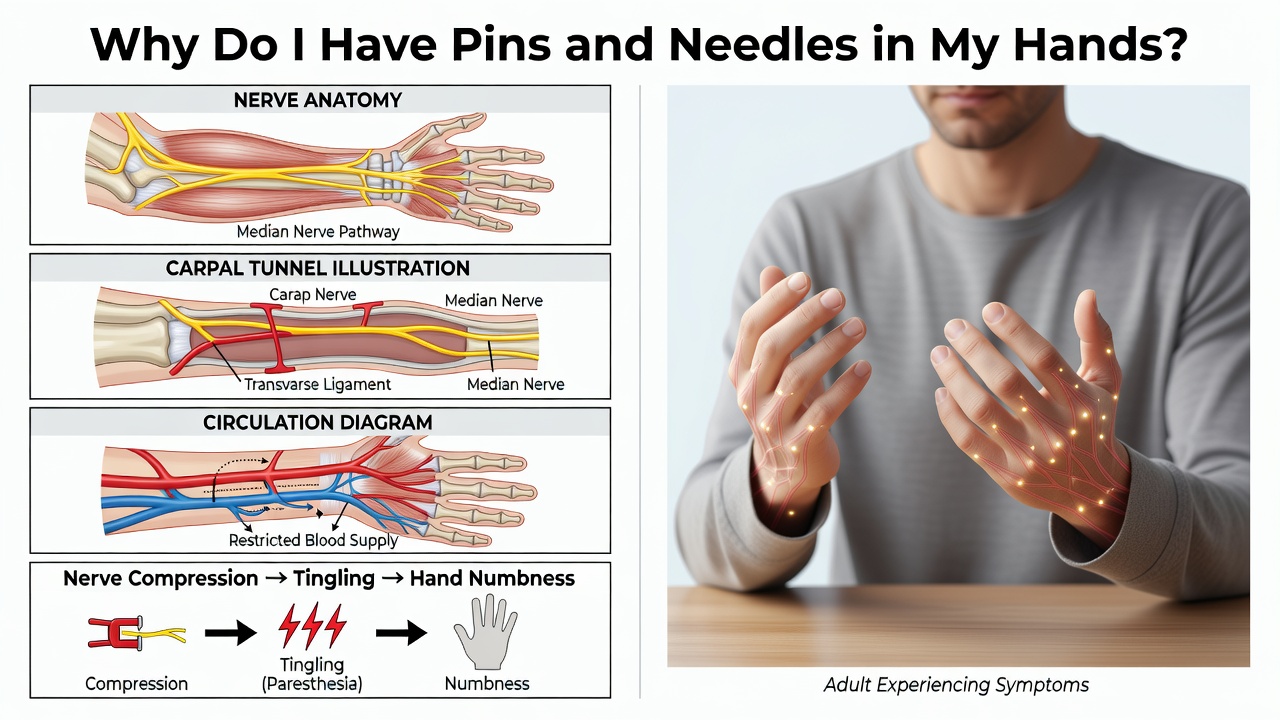
Pins and needles sensations—medically called paresthesia—are tingling or prickling feelings that occur when nerves are compressed or irritated. When this happens in your hands, it can range from mildly annoying to concerning enough to disrupt daily activities. The sensation typically feels like your hand has "fallen asleep," but paresthesia can persist far longer and signal underlying health conditions requiring attention.
The good news: Most causes of hand paresthesia are treatable, and understanding what triggers these sensations is the first step toward relief. This article breaks down the most common causes, when to worry, and evidence-based strategies to address persistent pins and needles.
What Happens When Nerves Are Compressed
Paresthesia occurs when peripheral nerves—the nerves outside your brain and spinal cord—experience pressure or are damaged. Your hands contain dozens of nerve endings that communicate with your central nervous system. When these pathways are blocked or irritated, they send incorrect signals to your brain, producing the characteristic tingling sensation.
Nerve compression can be temporary (like sitting with crossed legs cutting off circulation) or chronic (from a persistent structural issue like carpal tunnel syndrome). The duration and frequency of your symptoms often indicate whether the cause is benign or requires medical evaluation.
Most Common Causes of Hand Pins and Needles
Carpal Tunnel Syndrome
Carpal tunnel syndrome (CTS) is the leading cause of hand paresthesia in working-age adults. The median nerve passes through a narrow tunnel in your wrist—when this space narrows due to swelling or tissue inflammation, the nerve becomes compressed. Symptoms typically appear in the thumb, index, middle, and half of the ring finger, often worsening at night or during repetitive hand activities.
Risk factors include prolonged computer work, forceful gripping, arthritis, and pregnancy-related hormonal swelling.
Vitamin B12 Deficiency
Vitamin B12 is essential for maintaining the myelin sheath—the protective coating around nerve fibers. Without adequate B12, nerves become damaged and send false signals, causing paresthesia in hands and feet. B12 deficiency develops gradually, so symptoms may persist for weeks before diagnosis. Pernicious anemia, digestive disorders, and restrictive diets increase deficiency risk.
Diabetes and Nerve Damage
High blood sugar damages blood vessels and nerves over time, a condition called diabetic neuropathy. When glucose levels remain elevated, peripheral nerves lose their protective coating and communication ability. Research shows this process often begins before formal diabetes diagnosis. If you suspect high blood sugar involvement, understanding how high blood sugar causes nerve damage can help you take preventative action.
Ulnar and Radial Nerve Compression
The ulnar nerve (running along the pinky side of your arm) can become compressed at the elbow from prolonged pressure or repetitive bending. Similarly, radial nerve compression causes numbness and tingling in the thumb and back of the hand. These syndromes typically develop from occupational strain or sleeping position.
Cervical Spine Issues
Nerve roots exiting your cervical spine (neck) travel down your arms. Disc herniation, bone spurs, or arthritis in the neck can irritate these roots, causing referred paresthesia in the hands. This condition often accompanies neck pain or stiffness.
Poor Circulation
Reduced blood flow to hand nerves starves them of oxygen, triggering tingling sensations. Raynaud's disease, atherosclerosis, and cardiovascular conditions can all impair hand circulation, particularly in cold weather.
Hypothyroidism
Low thyroid hormone slows metabolic processes, including nerve function. Hypothyroidism can cause diffuse paresthesia alongside fatigue and weight gain. Thyroid testing is simple and should be part of any paresthesia workup if accompanied by other symptoms.
Lifestyle and Posture Triggers
Beyond medical conditions, everyday habits often trigger temporary hand paresthesia:
Sleeping position: Sleeping with your arm bent under a pillow or your wrist flexed compresses the median nerve, causing morning tingling that usually resolves within minutes after waking.
Work posture: Prolonged desk work with wrists bent or arms extended causes cumulative nerve stress. Taking frequent breaks, adjusting ergonomics, and stretching significantly reduce this risk.
Tight clothing: Watches, bracelets, or wristbands worn too tightly can compress nerves and blood vessels, creating temporary paresthesia that resolves when the pressure is removed.
Vitamin deficiencies: Inadequate intake of B vitamins (B6, B12, folate) and magnesium impairs nerve insulation and function, contributing to chronic paresthesia.
Alcohol consumption: Excessive alcohol damages nerve fibers directly and interferes with B vitamin absorption, causing alcoholic neuropathy—persistent tingling in hands and feet.
When to Seek Medical Evaluation
Occasional, brief tingling that resolves quickly usually isn't concerning. However, consult a healthcare provider if you experience:
- Persistent paresthesia lasting more than a few weeks
- Symptoms affecting both hands simultaneously (suggests systemic cause like deficiency or metabolic disorder)
- Accompanying weakness, difficulty gripping objects, or clumsiness
- Paresthesia combined with fever, rash, or other systemic symptoms
- Symptoms worsening rapidly despite conservative measures
- Numbness spreading up the arm toward the shoulder or down the trunk
Your doctor may recommend blood work (testing glucose, thyroid, B vitamins), nerve conduction studies, or imaging to identify the underlying cause. Mayo Clinic's paresthesia overview provides excellent guidance on symptom assessment.
Evidence-Based Relief Strategies
Ergonomic Modifications
Adjust your workspace to keep wrists neutral (not bent upward or downward). Position your keyboard at elbow height, take breaks every hour, and use a wrist support if needed. These changes address the root cause rather than just masking symptoms.
Stretching and Nerve Mobilization
Gentle stretching of the forearms, wrists, and neck can relieve nerve tension. Nerve gliding exercises, performed under professional guidance, help the median and ulnar nerves move freely through their pathways without irritation.
Nutritional Support
Ensure adequate intake of B vitamins (especially B6, B12, and folate), magnesium, and alpha-lipoic acid—all support nerve function and repair. B12 supplementation is particularly critical if your diet excludes animal products or if you have digestive absorption issues.
Cold and Heat Therapy
Ice reduces inflammatory swelling around compressed nerves, while warmth relaxes tight muscles that may be contributing to compression. Alternate applications of cold and heat, using each for 15 minutes, can provide temporary relief.
Physical Therapy
A physical therapist can teach targeted exercises and manual techniques to decompress nerves and improve circulation. For carpal tunnel syndrome, research demonstrates that structured physical therapy reduces symptoms in 50–70% of cases before surgery becomes necessary.
Anti-Inflammatory Measures
Reducing systemic inflammation through diet, regular movement, and stress management supports nerve healing. Foods rich in omega-3 fatty acids (fatty fish, flax seeds) and antioxidants (berries, leafy greens) promote nerve repair.
Why Circulation Matters
Healthy blood flow is foundational to nerve function. Nerves require consistent oxygen and nutrient delivery to maintain their protective myelin sheath and communicate effectively. Poor circulation starves nerves, creating or worsening paresthesia. This is why cardiovascular health directly impacts peripheral nerve symptoms. Staying active, managing blood pressure, and avoiding smoking all protect nerve circulation.
Frequently Asked Questions
Scientific References
Editorial Information
Sarah Mitchell writes educational content covering health, nutrition, and wellness topics. Her work is intended to present information in a clear and accessible format while encouraging readers to consult qualified healthcare professionals for personal medical advice.