Best Dental Health Reviews of 2026
Reviews of oral probiotic and dental health supplements targeting the oral microbiome, gum health, tooth strength, and breath quality.
Reviews of oral probiotic and dental health supplements targeting the oral microbiome, gum health, tooth strength, and breath quality.
Use these five criteria to confidently identify a dental health supplement that supports strong teeth, healthy gums, and fresh breath.
Look for clinically recognized ingredients such as CoQ10, vitamin D3, vitamin K2, and calcium, which work together to strengthen tooth enamel and support gum tissue integrity. Xylitol is another valuable addition, as it actively inhibits the growth of cavity-causing bacteria like Streptococcus mutans. Avoid products that rely solely on generic multivitamin blends without targeted oral health compounds.
Healthy gums require anti-inflammatory and antimicrobial support, so prioritize supplements containing vitamin C, green tea extract, or cranberry extract, which help reduce gingival inflammation and bacterial adhesion. CoQ10 specifically has peer-reviewed evidence supporting its role in reducing periodontal disease symptoms. If you have a history of gum disease, these ingredients should be non-negotiable in your selection.
Dental supplements designed to remineralize and protect enamel must pair calcium with adequate vitamin D3 to ensure proper absorption into teeth and jaw bone. A supplement offering calcium without D3 will have significantly reduced effectiveness, as D3 is the transport mechanism for calcium uptake. Look for products providing at least 1,000 IU of D3 alongside a meaningful calcium dose of 200–500 mg per serving.
Dental health supplements must be free from heavy metals like lead and mercury, which are especially harmful to oral tissues and enamel. Choose brands that provide certificates of analysis from independent labs such as NSF International, USP, or Informed Sport. Third-party verification ensures the listed ingredients match the actual contents and that no harmful contaminants are present.
The delivery format of a dental supplement matters because chewable tablets and lozenges allow active ingredients like xylitol and calcium to have direct contact with teeth and gum surfaces for localized benefit. Capsules and softgels are better suited for systemic ingredients like vitamin D3 and CoQ10 that need to be absorbed through the digestive tract. Consider a product whose delivery method aligns with your specific dental concerns, whether topical or systemic support is your priority.
Dental health encompasses far more than a bright smile or cavity-free checkup. It refers to the overall condition of your teeth, gums, jaw, and oral mucosa — the soft tissues lining your mouth. A healthy oral environment maintains a balanced microbial ecosystem, adequate salivary flow, strong enamel integrity, and resilient periodontal tissue. Disruptions to any of these components can cascade into discomfort, infection, and significant quality-of-life impairment.
What many people do not realize is that oral health is deeply intertwined with systemic health. Research published in PLOS ONE and corroborated by the American Heart Association has identified associations between periodontal disease and cardiovascular conditions, type 2 diabetes, and adverse pregnancy outcomes. The mouth is a gateway — chronic oral inflammation can introduce pathogenic bacteria and inflammatory mediators directly into the bloodstream, making dental health a genuine whole-body concern rather than a cosmetic one.
The dental health supplement category specifically addresses nutritional and biochemical support for enamel remineralization, gum tissue integrity, salivary function, and microbial balance. Products in this space range from targeted mineral supplements and oil-pulling formulas to probiotic blends designed to shift oral microbiome composition away from cariogenic and periodontopathic bacteria.
Tooth enamel is the hardest substance in the human body, composed primarily of hydroxyapatite — a crystalline calcium phosphate mineral. However, enamel is not living tissue and cannot regenerate once fully eroded. The process of demineralization occurs when acids produced by oral bacteria (particularly Streptococcus mutans) or consumed through diet lower the oral pH below approximately 5.5, dissolving mineral ions from the enamel surface. Saliva counters this by buffering acids and delivering calcium and phosphate ions back to vulnerable tooth surfaces in a process called remineralization — a continuous tug-of-war that determines long-term enamel integrity.
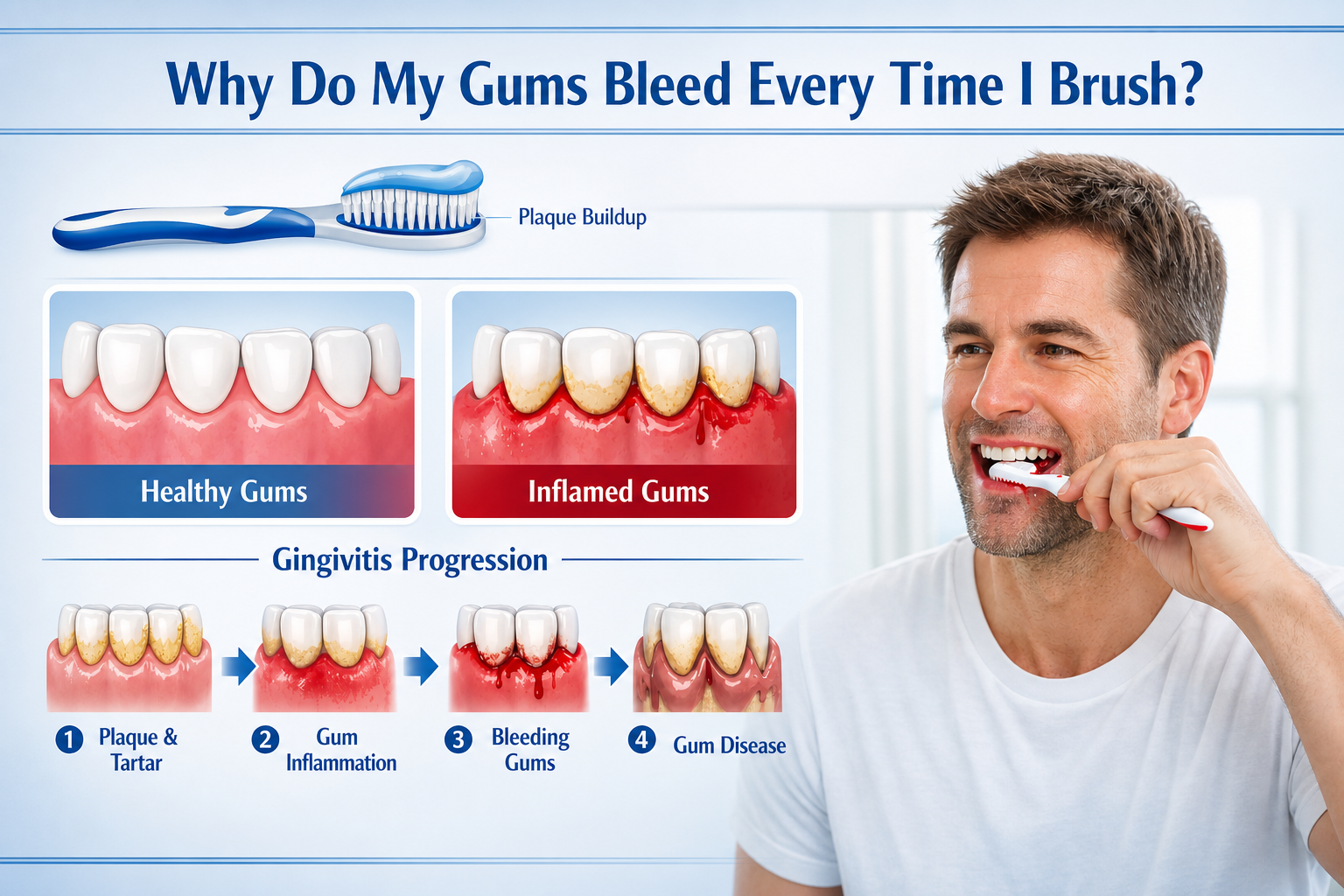
The periodontium — comprising the gums (gingiva), periodontal ligament, cementum, and alveolar bone — anchors teeth in the jaw and is highly responsive to both local and systemic inflammation. Healthy gum tissue forms a tight seal around each tooth, preventing bacterial infiltration. When this seal is compromised by plaque biofilm accumulation, the immune system mounts an inflammatory response. If chronic, this leads to gingivitis and, if untreated, to periodontitis, a destructive condition involving bone and ligament loss. Vitamin C plays a critical structural role here, as it is essential for collagen synthesis in gum tissue; deficiency is directly linked to gingival fragility and bleeding.
Saliva is often underappreciated as a dental health pillar. Beyond lubrication, saliva contains antimicrobial proteins such as lactoferrin and lysozyme, IgA antibodies, and the enzyme salivary amylase. Adequate salivary flow — approximately 0.5 to 1.5 litres per day in healthy adults — is essential for mechanical cleansing, pH buffering, and remineralization. Xerostomia (chronic dry mouth) dramatically increases caries and periodontal disease risk and is a common side effect of over 400 medications.
According to the CDC, nearly 50% of U.S. adults aged 30 and older have some form of periodontal disease — rising to 70% in adults over 65 — making it one of the most prevalent chronic inflammatory conditions in the country.
Many dental problems develop silently before causing overt pain. Early warning signs include bleeding gums during brushing or flossing (a hallmark of gingivitis), persistent bad breath not resolved by hygiene, tooth sensitivity to temperature or sweets, visible white spots on enamel (early demineralization), gum recession, and loose teeth. Mouth ulcers that do not heal within two weeks, lumps on the soft tissue, or unexplained numbness warrant prompt professional evaluation to rule out oral pathology.
Systemic signals can also point to oral health involvement. Poorly controlled blood sugar in diabetics is bidirectionally linked with worsening periodontitis — each condition exacerbates the other. Dry mouth, metallic taste, or swollen lymph nodes in the neck alongside oral symptoms should prompt medical as well as dental assessment.
The strongest evidence exists for a defined set of nutrients and compounds. Calcium and vitamin D3 support bone density and enamel mineralization — vitamin D receptors are expressed in periodontal tissues, and deficiency is associated with increased periodontitis severity. Vitamin C (ascorbic acid) is essential for collagen production in the periodontium; doses of 100–300 mg/day have shown benefit in gingival health studies. Vitamin K2 (MK-7) activates osteocalcin, directing calcium into teeth and bone rather than soft tissue. Xylitol has robust clinical evidence — at doses of 6–10 g/day, it inhibits S. mutans adhesion and reduces caries incidence. Oral probiotics containing Lactobacillus reuteri ATCC 55730 and Streptococcus salivarius K12 have demonstrated reductions in gingival inflammation and oral malodor in randomized controlled trials. Coenzyme Q10 has shown promise in periodontal adjunct therapy, and zinc inhibits bacterial plaque formation and supports wound healing in oral tissue.
Dental supplements support oral health but are not treatments for diagnosed conditions. You should consult a licensed dentist if you experience persistent gum bleeding, pain, tooth mobility, or swelling. Oral infections can spread to the jaw, neck, and beyond — dental abscesses are medical emergencies. If you have diabetes, cardiovascular disease, osteoporosis, or are pregnant, discuss your oral health proactively with both your dentist and physician, as bidirectional interactions with these conditions are well-documented. Anyone taking anticoagulants, bisphosphonates, or immunosuppressants should notify their dentist, as these affect treatment planning significantly.
Frequently Asked Questions
Supplements cannot rebuild fully eroded enamel, as it contains no living cells capable of regeneration. However, they can meaningfully support remineralization of early-stage demineralized zones. Calcium, phosphate, vitamin D3, and fluoride work synergistically to restore mineral density to weakened enamel surfaces before cavities form. Products containing hydroxyapatite — a biomimetic mineral increasingly studied as a fluoride alternative — have shown comparable remineralization efficacy in several clinical trials.
Yes, with important caveats around strain selection. Oral probiotics are specifically formulated to colonize the oral cavity rather than the gastrointestinal tract. They are typically delivered as lozenges or chewable tablets taken after brushing to allow adhesion to oral surfaces. Strains such as Streptococcus salivarius K12 compete with pathogenic bacteria for adhesion sites and produce bacteriocins that inhibit harmful species. Swallowed capsule-based gut probiotics do not deliver meaningful colony-forming units to oral tissue.
Vitamin D deficiency impairs calcium absorption from the gut, reducing the mineral supply available for enamel and alveolar bone maintenance. Beyond mineralization, vitamin D has direct immunomodulatory effects in periodontal tissue — it regulates cytokine production and defensin expression, influencing how aggressively gum tissue responds to bacterial challenge. Studies published in the Journal of Periodontology have found significant inverse associations between serum 25(OH)D levels and periodontal disease severity, supporting supplementation as an adjunct strategy.
Xylitol is safe for human consumption at doses used in clinical studies and is approved as a food additive by the FDA. The clinically effective dose for caries prevention is 6–10 grams per day, distributed across at least three exposures — typically achieved through xylitol gum or mints used after meals. At very high doses (above 40 g/day), some individuals experience gastrointestinal discomfort. Critically, xylitol is highly toxic to dogs and must be stored safely away from pets.
Most dental health supplements are low-risk, but interactions are possible. High-dose vitamin K2 can interfere with warfarin anticoagulation. Calcium supplements may reduce absorption of certain antibiotics and thyroid medications if taken simultaneously. Zinc at supplemental doses can interfere with copper absorption over time. Always disclose all supplements to your prescribing physician and dentist, particularly if you are managing a chronic condition, undergoing dental surgery, or are pregnant or breastfeeding.