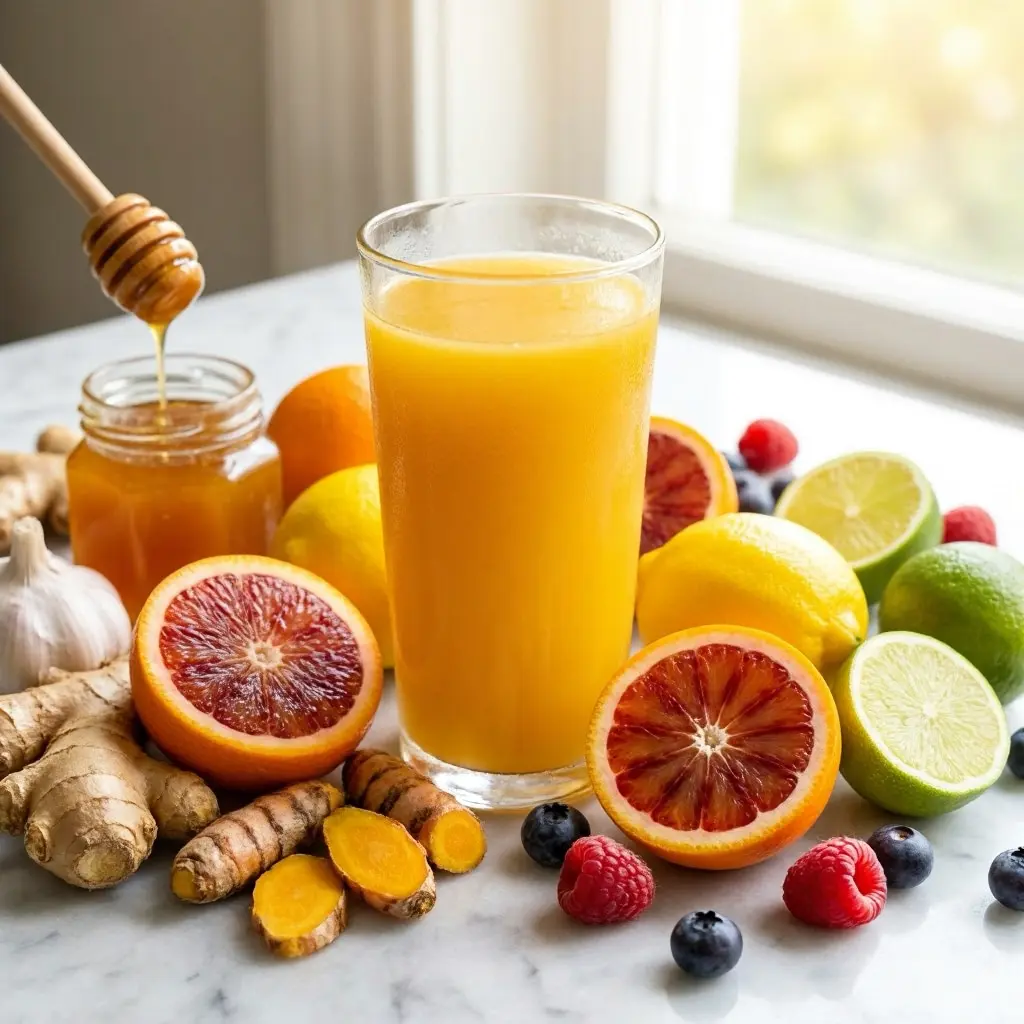
Best Immunity Reviews of 2026
Analysis of immune-modulating supplements targeting innate and adaptive immune response, antioxidant defence, and seasonal illness prevention.
Analysis of immune-modulating supplements targeting innate and adaptive immune response, antioxidant defence, and seasonal illness prevention.
Key factors to evaluate when selecting an immunity supplement that delivers real immune support and safe, effective ingredients.
Look for clinically studied immunity staples such as Vitamin C, Vitamin D3, Zinc, Elderberry, and Beta-Glucans. These ingredients have strong research backing for supporting immune cell function and reducing the duration of illness. Avoid products that rely solely on trendy herbal blends without these foundational nutrients.
An immunity supplement is only effective if each ingredient is dosed at a therapeutic level — for example, at least 500mg of Vitamin C, 1000–2000 IU of Vitamin D3, and 10–15mg of Zinc per serving. Many products include immune-boosting ingredients but at doses too low to produce measurable benefits. Always compare the label's amounts against published research benchmarks.
Determine whether you need a supplement for year-round immune maintenance or short-term defense during cold and flu season, as formulas differ significantly. Daily maintenance products typically contain moderate doses of Vitamin D3 and Zinc, while acute-support formulas often include higher-dose Elderberry or Echinacea. Choosing the wrong type can mean under-supporting your immune system at critical times.
Immunity supplements are only as trustworthy as their quality control, so prioritize brands certified by NSF International, USP, or Informed Sport. Third-party testing confirms the product contains what it claims and is free from harmful contaminants like heavy metals or undisclosed additives. This is especially important for Zinc and Elderberry products, which vary widely in purity across brands.
Many immunity supplements contain fillers, artificial dyes, or common allergens like gluten, soy, or dairy that can inadvertently trigger inflammation and undermine immune health. Opt for products with clean, minimal ingredient lists and clearly labeled allergen-free certifications. If you are immunocompromised or sensitive, also check for added adaptogens like Ashwagandha, which may interact with certain medications.
Immunity refers to the body's sophisticated biological defense network — a multi-layered system of cells, proteins, tissues, and organs working in concert to identify and neutralize threats including bacteria, viruses, fungi, and abnormal cells. In the context of health and supplementation, the immunity category covers products and practices designed to support, modulate, or reinforce this defense system — whether by filling nutritional gaps that compromise immune function, providing plant-based compounds with documented immunomodulatory activity, or reducing chronic inflammation that silently erodes immune efficiency over time.
This category is broader than simply "not getting sick." Immune health encompasses your body's ability to recover quickly when you do fall ill, manage low-grade chronic inflammation, maintain a balanced autoimmune response, and adapt to seasonal stressors like cold weather, sleep disruption, and high-intensity exercise. These are all areas where evidence-based supplementation can provide meaningful, measurable support — provided you understand what the science actually supports.
It is also worth noting that immunity is not a single dial you can simply "boost." Overactivation of immune pathways contributes to autoimmune conditions and chronic inflammatory disease. The goal of legitimate immune support is optimization and balance — not indiscriminate stimulation.
The immune system operates across two primary branches: the innate immune system and the adaptive immune system. Innate immunity is your first line of defense — a rapid, non-specific response involving physical barriers (skin, mucous membranes), inflammatory signaling, and phagocytic cells such as neutrophils and macrophages that engulf and destroy pathogens. This response activates within minutes to hours of encountering a threat.
The adaptive immune system provides the second, more targeted response. B cells produce antigen-specific antibodies, while cytotoxic T cells directly destroy infected cells. Crucially, the adaptive system retains immunological memory, allowing faster and stronger responses to previously encountered pathogens — the mechanism underlying both natural immunity and vaccination. This branch typically takes days to mount a full response, which is why early nutritional and lifestyle support matters so much for outcome severity and recovery speed.
Nutritional status has a profound influence on both branches. Deficiencies in vitamin D, zinc, vitamin C, and selenium have been shown to impair immune cell proliferation, cytokine production, and antibody synthesis. A 2017 systematic review published in Nutrients confirmed that micronutrient deficiencies — even subclinical ones — are associated with increased infection susceptibility and prolonged illness duration. The gut also plays a critical role: approximately 70% of immune tissue resides in the gastrointestinal tract, making gut microbiome health inseparable from overall immune competence.
Research published in JAMA found that vitamin D supplementation reduced the risk of acute respiratory tract infection by 12% overall, and by 70% in individuals with severe deficiency (serum 25(OH)D below 25 nmol/L). — Martineau et al., 2017.
Frequent infections are the most obvious signal — catching more than two or three colds per year, or experiencing infections that are unusually severe or prolonged, may suggest suboptimal immune function. Other indicators include wounds that heal slowly, persistent fatigue without clear cause, recurring cold sores or shingles outbreaks (reflecting poor viral suppression), and digestive issues such as frequent diarrhea or bloating, which may signal gut-immune dysregulation.
Prioritize supplements containing ingredients with peer-reviewed clinical evidence. Vitamin D3 (cholecalciferol), zinc (as glycinate or citrate for bioavailability), vitamin C, elderberry (Sambucus nigra) extract, beta-glucans from yeast or oats, and andrographis paniculata all have credible published data supporting immune-relevant outcomes. Look for standardized herbal extracts — an elderberry product should specify polyphenol or anthocyanin content, not just list the herb by name.
Dosage matters as much as ingredient selection. Zinc below 8–10mg elemental per day is unlikely to have measurable impact; vitamin D below 1,000 IU is insufficient for most adults who are deficient. Avoid products that list fifteen ingredients at low, sub-therapeutic doses — a strategy called "fairy dusting" that creates an impressive label with negligible efficacy.
Many consumers assume more is better — megadosing zinc (above 40mg daily) can paradoxically impair immune function and copper absorption. Others choose products based on marketing claims rather than ingredient quality, or ignore foundational factors like sleep and stress management that no supplement can compensate for. Timing is also overlooked: some compounds like vitamin D require consistent daily use to build status, and are ineffective when taken only at the onset of illness.
Supplements are supportive tools, not medical treatments. If you experience recurrent severe infections, symptoms suggesting autoimmune activity (joint swelling, unexplained rashes, persistent fever), or immunodeficiency patterns, consult a physician before starting any supplement protocol. Blood testing for vitamin D, zinc, and complete blood count with differential provides actionable data and eliminates guesswork. Always disclose immune-modulating supplements to your doctor if you are immunosuppressed, pregnant, or managing a chronic condition.
Frequently Asked Questions
No supplement can guarantee illness prevention, but several have demonstrated statistically significant reductions in infection frequency, duration, and severity. Vitamin D, zinc, and elderberry extract have the strongest evidence bases. Supplements work best when addressing an underlying deficiency or nutritional gap — they are not substitutes for sleep, stress management, and a nutrient-dense diet.
It depends on the ingredient and your baseline status. Correcting a vitamin D deficiency may take 8–12 weeks of consistent supplementation to normalize serum levels. Zinc and vitamin C taken at therapeutic doses at illness onset may shorten duration within days. Probiotic-based immune support typically requires 4–8 weeks to meaningfully influence gut-immune interactions.
Many immune supplements can be taken together safely, but watch for overlapping nutrients. Taking a multivitamin alongside separate vitamin C, zinc, and elderberry products can push zinc or vitamin A to potentially excessive levels. Always calculate your total daily intake across all products and compare against established Tolerable Upper Intake Levels (ULs) set by the NIH Office of Dietary Supplements.
Elderberry has earned a legitimate evidence base. A 2016 randomized controlled trial published in Nutrients found that elderberry supplementation reduced cold duration by an average of two days in air travelers. Mechanistically, elderberry flavonoids appear to inhibit viral entry into host cells and modulate cytokine production. It is not a cure, but it is one of the better-supported botanical options available.
Vitamin D and zinc are best taken consistently year-round, as their benefits are largely dependent on maintaining adequate serum levels — not acute dosing. Botanical compounds like elderberry or andrographis are more appropriately used seasonally or at the onset of symptoms. Your approach should be guided by your individual deficiency profile, seasonal exposure risk, and healthcare provider recommendations.