Best Liver Health Reviews of 2026
Reviews of supplements supporting liver detoxification pathways, enzyme balance, and hepatic cell protection using clinically studied botanicals.
Reviews of supplements supporting liver detoxification pathways, enzyme balance, and hepatic cell protection using clinically studied botanicals.
Evaluate key ingredients, dosages, and safety factors to find the most effective liver health supplement for your needs.
Look for clinically studied ingredients such as Milk Thistle (Silymarin), TUDCA, N-Acetyl Cysteine (NAC), and Dandelion Root, as these have the strongest evidence for supporting liver detoxification and cell regeneration. Verify that Milk Thistle is standardized to at least 70-80% Silymarin, which is the active compound responsible for its hepatoprotective effects. Avoid products that list these ingredients without specifying the extract standardization percentage.
A clinically meaningful dose of Milk Thistle Silymarin typically ranges from 420mg to 600mg per day, while TUDCA is generally effective at 250-500mg daily. Supplements using proprietary blends often hide underdosed ingredients behind a total blend weight, so prioritize products with fully transparent, individual ingredient dosages. Cross-reference the label dosages with published clinical studies to ensure you are getting a therapeutic amount.
An effective liver supplement should support all three phases of liver detoxification — Phase I, Phase II, and antioxidant protection. Ingredients like NAC boost glutathione production for Phase II detox, while Alpha Lipoic Acid and Artichoke Extract provide antioxidant support to neutralize free radicals generated during Phase I. Supplements that address only one detox phase may offer incomplete liver support.
Choose supplements that have been independently tested by organizations such as NSF International, USP, or Informed Sport to confirm label accuracy and absence of heavy metals, which is especially critical for liver health since the liver is the primary organ responsible for filtering toxins. Liver supplements sourced from low-quality herbs can paradoxically contain hepatotoxic contaminants. Look for a Certificate of Analysis (COA) available on the manufacturer's website as additional verification.
If you consume alcohol regularly or take prescription medications metabolized by the liver, check whether the supplement's ingredients could interfere with cytochrome P450 enzymes, which are critical to drug metabolism. For example, high doses of certain herbal extracts like Berberine or St. John's Wort can affect how your liver processes medications, potentially altering drug effectiveness or safety. Consult a healthcare provider before starting any liver supplement if you have a diagnosed liver condition or are on long-term medication.
Liver health encompasses the broad spectrum of nutritional, lifestyle, and supplemental strategies aimed at supporting one of the body's most metabolically active organs. The liver performs over 500 distinct physiological functions, from filtering toxins and metabolizing drugs to synthesizing proteins, producing bile, and regulating blood glucose. When liver function declines — whether through fatty liver disease, inflammation, oxidative stress, or toxic burden — the effects ripple across nearly every system in the body. Supplements in this category are designed to protect hepatocytes (liver cells), promote detoxification pathways, reduce hepatic inflammation, and support cellular regeneration.
This category is particularly relevant for individuals managing non-alcoholic fatty liver disease (NAFLD), those who consume alcohol regularly, people taking long-term medications that stress the liver, and anyone exposed to environmental toxins or following a high-calorie Western diet. NAFLD now affects an estimated 25–30% of the global adult population, making liver health one of the most clinically urgent areas in preventive nutrition. Supplements reviewed here include herbal extracts, amino acids, antioxidants, phospholipids, and enzyme cofactors that have been studied in the context of hepatic protection and recovery.
It is important to distinguish between products that support general liver wellness and those making therapeutic claims about disease treatment. The supplements reviewed on this page are evaluated for their evidence base, ingredient quality, and appropriateness for preventive and supportive use — not as replacements for medical care in diagnosed liver disease.
The liver is a two-lobed organ weighing approximately 1.5 kg, situated in the upper right abdomen. Its dual blood supply — from the hepatic artery and the portal vein — uniquely positions it to intercept nutrients, toxins, and drugs absorbed from the gastrointestinal tract before they enter systemic circulation. Hepatocytes, which make up roughly 80% of liver mass, are responsible for the bulk of the organ's biochemical workload, including gluconeogenesis, lipid metabolism, bile acid synthesis, and phase I and phase II detoxification reactions.
Detoxification occurs in two coordinated phases. Phase I relies on cytochrome P450 enzymes to oxidize, reduce, or hydrolyze fat-soluble compounds, sometimes producing reactive intermediates more toxic than the originals. Phase II then conjugates these intermediates with molecules like glutathione, sulfate, or glucuronic acid, making them water-soluble and excretable. Nutrients such as B vitamins, magnesium, glycine, and sulfur-containing amino acids are essential cofactors in these reactions. Disruption of either phase — through nutrient deficiency, genetic variation, or toxic overload — contributes to hepatic oxidative stress and inflammation.
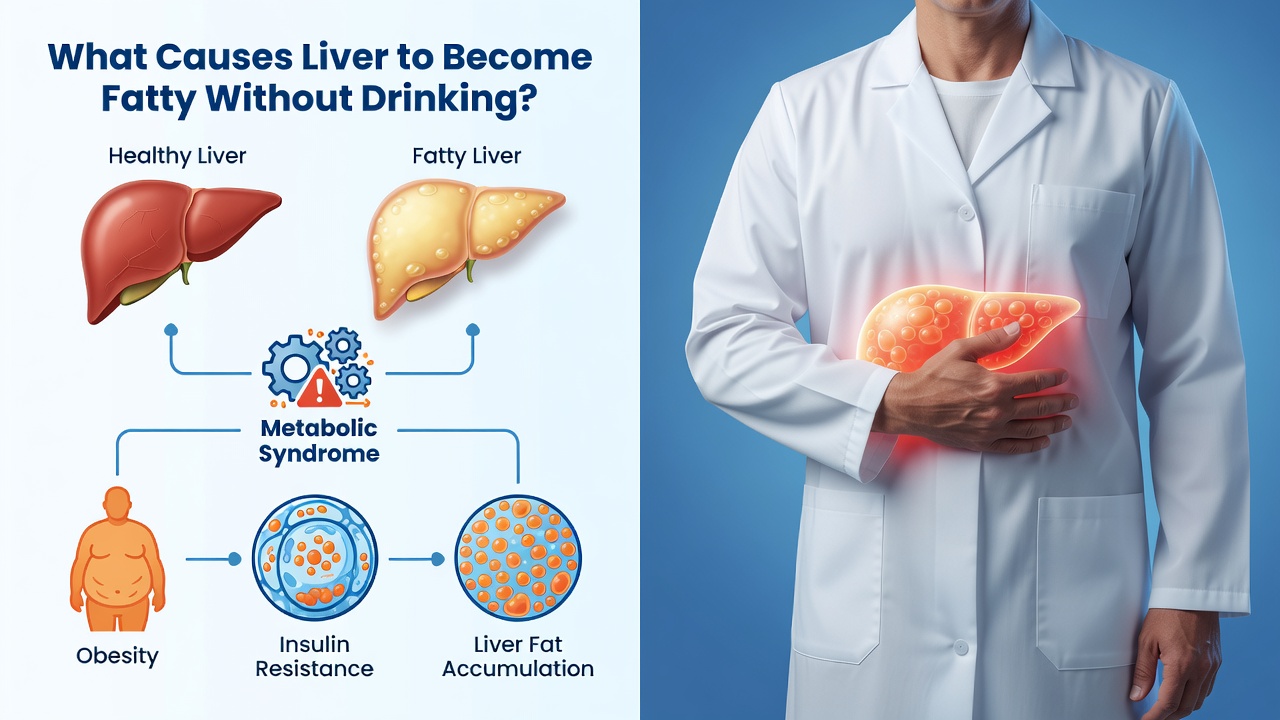
The liver also plays a central role in lipid metabolism. In NAFLD, excess dietary fat and fructose drive hepatic triglyceride accumulation through de novo lipogenesis. Research published in Journal of Hepatology (2021) confirms that mitochondrial dysfunction and endoplasmic reticulum stress are central to NAFLD progression. Chronic inflammation left unaddressed can advance to non-alcoholic steatohepatitis (NASH), fibrosis, and ultimately cirrhosis — making early nutritional intervention a meaningful preventive strategy.
Non-alcoholic fatty liver disease (NAFLD) affects approximately 1 in 4 adults globally and is now the leading cause of chronic liver disease in Western countries, according to a 2022 meta-analysis in Nature Reviews Gastroenterology & Hepatology.
The liver has significant regenerative capacity and rarely produces pain in early dysfunction, earning its description as a "silent" organ. However, certain symptoms may indicate hepatic stress worth investigating. Persistent fatigue, brain fog, and poor tolerance to dietary fats or alcohol can reflect impaired liver metabolism. Bloating, nausea after fatty meals, and mild right-side abdominal discomfort are also commonly reported in individuals with early-stage fatty liver. Skin changes — including jaundice (yellowing), spider angiomas, or unexplained itching — suggest more significant hepatic impairment and require prompt medical evaluation.
Elevated liver enzymes (ALT, AST, GGT) on routine blood work are frequently the first objective signal of hepatocellular stress. Mild transient elevations can result from strenuous exercise, medication use, or acute illness, but persistently elevated levels warrant further investigation. Dark urine, pale stools, and easy bruising are more serious signs of compromised liver synthetic function and should never be addressed through supplementation alone.
The most well-researched hepatoprotective ingredient is silymarin, the active flavonoid complex from milk thistle (Silybum marianum). Multiple randomized controlled trials and a 2020 Cochrane-adjacent systematic review support its antioxidant, anti-inflammatory, and antifibrotic properties in NAFLD and toxic liver injury. Look for standardized extracts providing at least 70–80% silymarin. N-acetyl cysteine (NAC) is a direct glutathione precursor with robust clinical evidence for hepatoprotection, particularly under acetaminophen or alcohol-related stress. Phosphatidylcholine (as DLPC or lecithin-derived) supports hepatocyte membrane integrity and fat transport. Betaine (TMG) reduces hepatic fat accumulation by supporting methionine metabolism. Artichoke leaf extract has demonstrated meaningful reductions in liver enzyme levels in clinical trials. Curcumin, alpha-lipoic acid, and schisandra also carry credible supporting evidence.
Clinically meaningful doses matter significantly. A milk thistle product providing 50 mg of silymarin daily falls well short of the 420–600 mg range used in research trials. Verify that labels state the active standardized compound — not just the raw herb weight. Third-party testing certifications (NSF, USP, Informed Sport) signal manufacturing quality and label accuracy. Avoid proprietary blends that obscure individual ingredient doses, as this prevents assessment of clinical relevance.
One of the most frequent errors is selecting products based on the number of ingredients rather than the quality of each. A 20-ingredient "liver complex" with sub-therapeutic doses of each compound will underperform a simpler, well-dosed formula. Equally problematic is assuming that more detoxification support is always better — aggressive detox protocols can actually burden phase I pathways without adequate phase II support, generating harmful reactive intermediates. Consumers also frequently overlook the risk that some supplements — including kava, high-dose green tea extract (EGCG), and certain Ayurvedic herbs — carry documented hepatotoxicity risk and are ironically marketed for liver support. Always cross-reference ingredients against the LiverTox database maintained by the NIH.
Liver health supplements are appropriate for preventive support and adjunctive use alongside medical care — they are not appropriate as standalone treatments for diagnosed liver disease. If you have received a diagnosis of NAFLD, hepatitis, cirrhosis, or any liver enzyme abnormality that persists across two or more blood tests, consult a hepatologist or gastroenterologist before beginning supplementation. Some ingredients interact with medications metabolized by cytochrome P450 enzymes, making disclosure to your prescribing physician essential. Regular liver function panel testing (every 6–12 months) is a reasonable monitoring practice for anyone with identified risk factors.
Frequently Asked Questions
Milk thistle's active compound silymarin has demonstrated antifibrotic and hepatoprotective effects in clinical research, including stimulation of hepatocyte protein synthesis and reduction of inflammatory markers. However, it is not a cure for significant liver damage or cirrhosis. Evidence supports its role in slowing progression of liver disease and reducing oxidative stress, particularly in NAFLD and toxic liver injury. It works best as a preventive and supportive tool rather than a treatment for advanced disease.
The term "detox cleanse" is largely a marketing construct with no standardized clinical definition. The liver continuously detoxifies the body without requiring periodic resets. While certain nutrients genuinely support detoxification enzyme activity — such as NAC, sulfur amino acids, and B vitamins — short-term juice cleanses or extreme detox protocols have no peer-reviewed evidence supporting their efficacy and may cause electrolyte imbalances or digestive disruption. Focus on consistent nutritional support rather than periodic extreme protocols.
Most hepatoprotective supplements require consistent use over 8–12 weeks before measurable changes in liver enzyme levels or subjective wellbeing are observed. Research trials on silymarin and artichoke leaf extract typically run for 8–24 weeks. Supplements are not acute interventions — they work by gradually modulating oxidative stress, inflammation, and lipid metabolism. Short-term use of two to four weeks is unlikely to produce meaningful outcomes.
Some liver-supportive ingredients — particularly NAC and silymarin — have been studied in the context of alcohol-related liver stress and show protective effects on hepatocytes. However, supplementation does not neutralize the hepatotoxic effects of regular alcohol consumption. If you drink regularly, the most evidence-based recommendation remains reducing alcohol intake. Supplements may provide adjunctive support but should not be used as a justification for continued heavy drinking. Disclose all supplement use to your physician, as interactions with alcohol metabolism are possible.
Yes, and this is an often-overlooked concern. The NIH LiverTox database lists hundreds of compounds associated with drug-induced liver injury (DILI), including kava (Piper methysticum), high-dose EGCG from green tea extract, germander, pennyroyal, and certain bodybuilding supplements containing anabolic compounds. Ironically, some of these are marketed as liver support products. Always verify ingredients against credible hepatotoxicity databases, and consult a healthcare provider before combining multiple supplements, particularly if you take prescription medications.