What Causes Dark Circles Under Eyes: Lack of Sleep

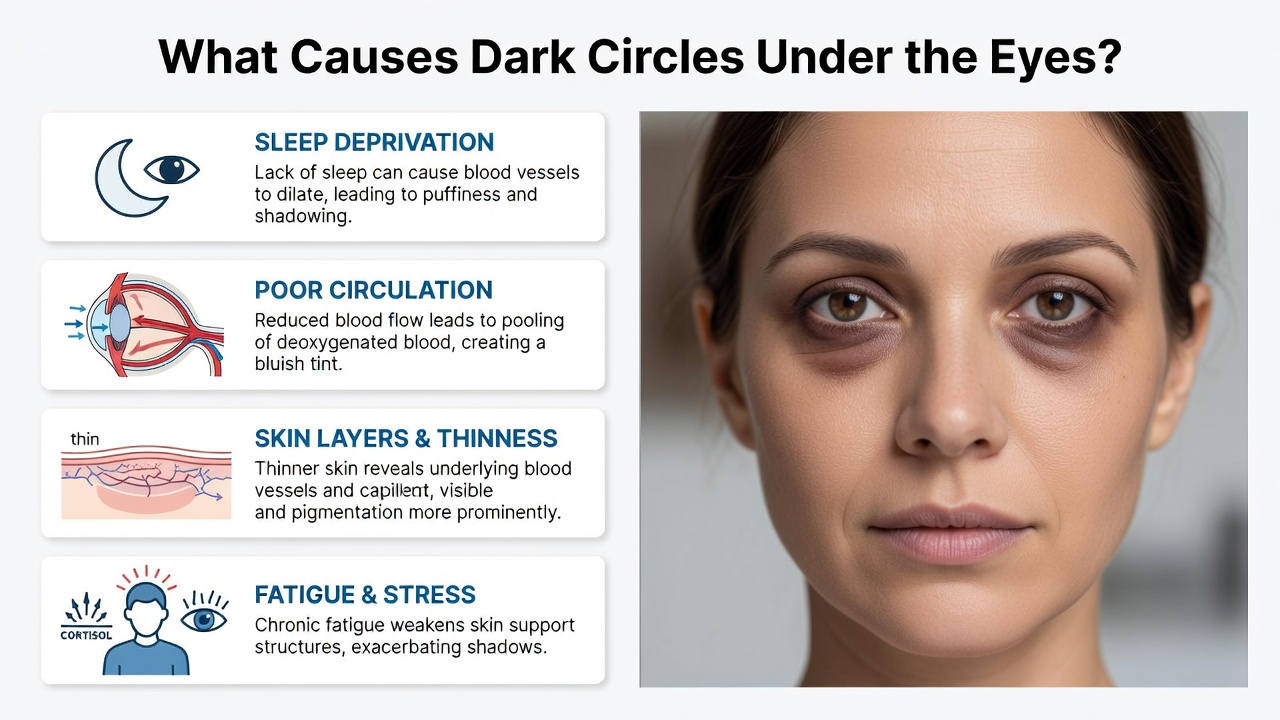
Dark circles under the eyes are one of the most common cosmetic complaints worldwide, and sleep deprivation is consistently cited as the leading cause. When you do not get enough sleep, the delicate skin beneath your eyes undergoes measurable physiological changes — blood vessels dilate, fluid accumulates, and the skin loses its natural radiance — all of which combine to create that tired, shadowed appearance. Understanding exactly why this happens empowers you to take targeted action rather than simply reaching for a concealer.
This article breaks down the biological mechanisms behind sleep-related dark circles, explores contributing factors that make them worse, and presents evidence-based strategies to reduce their appearance. Whether your dark circles are occasional or persistent, the science here will give you a clearer picture of what is genuinely happening beneath your skin.
Why the Under-Eye Area Is Uniquely Vulnerable
The skin directly beneath the eyes is approximately 0.5 mm thick — roughly four times thinner than skin on most other parts of the face. This thinness means the dense network of blood vessels and capillaries lying just beneath the surface is far more visible than anywhere else. The periorbital region also has fewer sebaceous (oil) glands, making it more prone to dryness and less resilient to the inflammatory effects of poor sleep. These structural realities mean that even minor physiological disruptions caused by one bad night of sleep can translate into noticeable discoloration.
The color of dark circles is not always the same. They can appear bluish-purple, brownish, or reddish depending on the underlying cause — and often multiple mechanisms operate simultaneously. Sleep deprivation primarily drives the vascular and fluid-retention pathways, though pigmentation and structural factors can amplify the result.
How Sleep Deprivation Directly Causes Dark Circles
Vascular dilation and blood pooling. During sleep, the body regulates circulation and allows micro-capillaries to recover from daily stress. When sleep is cut short, blood vessels — including the delicate capillaries under the eyes — remain dilated. This dilation increases blood flow and causes blood to pool in the periorbital vessels. Because the overlying skin is so thin, the bluish-purple tint of deoxygenated blood becomes clearly visible through the surface, producing the classic dark circle appearance. A study examining periorbital changes and sleep quality confirmed that vascular congestion in the under-eye area correlates significantly with self-reported sleep insufficiency.
Fluid retention and puffiness. Sleep governs the body's lymphatic drainage rhythms. Poor sleep disrupts the lymphatic system's ability to clear interstitial fluid from the face overnight, leading to puffiness. When the under-eye area is swollen, it casts a natural shadow downward, deepening the appearance of dark circles even when discoloration itself is mild. The combination of puffiness above and shadow below is a hallmark of sleep-deprived periorbital changes.
Cortisol elevation and collagen breakdown. Sleep deprivation triggers a well-documented rise in cortisol, the body's primary stress hormone. Chronically elevated cortisol degrades collagen and elastin — the structural proteins that keep skin firm and opaque. As collagen thins the under-eye skin further, the underlying vasculature becomes even more visible, accelerating the appearance of dark circles over time. Research published on NIH.gov confirms that sleep deprivation impairs skin barrier function and accelerates signs of skin aging, including under-eye discoloration.
Reduced skin hydration. During deep sleep stages, the body redistributes moisture and repairs the skin barrier. Sleep loss interrupts this process, leading to transepidermal water loss (TEWL) — dehydrated skin appears duller, more translucent, and less able to mask the underlying vessels. This dehydration effect compounds the vascular visibility already caused by dilated capillaries.
Other Factors That Amplify Sleep-Related Dark Circles
Genetics and skin tone. Genetic predisposition plays a significant role in how prominently dark circles appear. People with deeper Fitzpatrick skin types have greater concentrations of melanin in the periorbital region, which can cause brownish hyperpigmentation that is independent of — but easily worsened by — sleep loss. A published review classified periorbital dark circles into vascular, structural, and pigmentary subtypes, noting that genetics strongly predetermines which subtype predominates in any given individual.
Age-related structural changes. As we age, periorbital fat pads shift downward and subcutaneous tissue thins, creating hollows that cast shadows regardless of sleep status. Poor sleep accelerates collagen loss, making these age-related changes appear sooner and more severe. Tear trough formation — the groove running from the inner corner of the eye toward the cheek — deepens with both age and chronic sleep deprivation.
Allergies and nasal congestion. Allergic rhinitis causes venous congestion in the periorbital region via the nasolacrimal pathway, producing what are often called "allergic shiners." Sleep deprivation suppresses immune regulation, which can worsen allergic responses, creating a cycle where poor sleep amplifies allergy-driven dark circles. Histamine release associated with allergies also triggers itching, and rubbing the eyes causes micro-inflammation that darkens the surrounding skin further.
Diet and hydration. High sodium intake promotes water retention and facial puffiness, exacerbating the shadow effect beneath the eyes. Alcohol — a common sleep disruptor — simultaneously dehydrates the skin and impairs sleep architecture, worsening dark circles through multiple pathways at once. Iron deficiency anemia reduces oxygen delivery to peripheral tissues, causing a pallor elsewhere that makes under-eye discoloration appear more pronounced by contrast.
Sun exposure. Ultraviolet radiation stimulates melanin production in the already melanin-rich periorbital skin. People who spend significant time in the sun without eye protection are more likely to develop pigmentary dark circles that overlay and compound the vascular changes caused by sleep loss.
Evidence-Based Strategies to Reduce Dark Circles
Prioritise sleep quality and duration. The most direct intervention is consistent, restorative sleep. Adults require 7–9 hours per night according to the CDC's sleep guidelines. Maintaining a consistent sleep-wake schedule, reducing blue light exposure before bed, and keeping the sleep environment cool and dark all support deeper, more restorative sleep stages during which vascular and lymphatic recovery occurs most efficiently.
Elevate the head during sleep. Sleeping with the head slightly elevated — using an extra pillow — reduces fluid pooling in the periorbital region overnight. This simple positional change meaningfully reduces morning puffiness and the associated shadow effect beneath the eyes.
Cold compresses and caffeine-based topicals. Cold temperatures cause vasoconstriction, temporarily reducing the dilation of under-eye capillaries. Applying a cold compress or chilled eye mask for 10 minutes in the morning can visibly lighten dark circles. Topical caffeine works by a similar mechanism — it constricts blood vessels and reduces fluid accumulation. Several peer-reviewed studies support caffeine's efficacy as an under-eye ingredient for reducing puffiness and vascular discoloration. A clinical study on topical caffeine demonstrated statistically significant reductions in periorbital edema and capillary visibility with regular use.
Retinol and vitamin C. Retinol stimulates collagen synthesis, thickening the under-eye skin over time and reducing the transparency that makes blood vessels visible. Vitamin C is both an antioxidant and a melanin-synthesis inhibitor, addressing both the vascular and pigmentary subtypes of dark circles. Consistent use of these actives over weeks to months produces gradual but measurable improvement.
Hydration and sodium management. Drinking adequate water throughout the day maintains skin hydration and supports lymphatic clearance. Reducing dietary sodium — particularly in the evening — minimises overnight fluid retention around the eyes. Even modest reductions in salt intake can visibly reduce morning puffiness within days.
Sun protection. Daily application of broad-spectrum SPF around the eyes (using a dedicated eye cream with SPF or a mineral sunscreen) prevents UV-driven melanin accumulation that worsens pigmentary dark circles over time.
When to See a Healthcare Provider
In most cases, dark circles are a cosmetic concern rather than a medical one. However, persistent dark circles accompanied by significant swelling, pain, vision changes, or signs of systemic illness — such as profound pallor and fatigue suggesting anemia — warrant medical evaluation. A dermatologist or ophthalmologist can classify your specific dark circle subtype and recommend targeted treatments including chemical peels, laser therapy, hyaluronic acid fillers for tear trough hollows, or prescription depigmenting agents, depending on the root cause.
Chronic sleep deprivation itself carries serious health consequences well beyond cosmetic concerns, including elevated cardiovascular risk, impaired immune function, and metabolic dysfunction. If you are consistently unable to achieve adequate sleep, speaking with a physician to investigate underlying sleep disorders such as sleep apnea is strongly advisable.
Frequently Asked Questions
Scientific References
Editorial Information
Sarah Mitchell writes educational content covering health, nutrition, and wellness topics. Her work is intended to present information in a clear and accessible format while encouraging readers to consult qualified healthcare professionals for personal medical advice.