Best Detox Reviews of 2026
Analysis of whole-body detoxification supplements targeting toxin elimination, cellular cleansing, and organ support through natural compound formulas.
Analysis of whole-body detoxification supplements targeting toxin elimination, cellular cleansing, and organ support through natural compound formulas.
Use these five focused criteria to identify a safe, effective detox supplement that supports your liver, kidneys, and digestive system.
Look for clinically recognized detox-supporting compounds such as milk thistle (silymarin), dandelion root, N-acetyl cysteine (NAC), and activated charcoal. Each ingredient should have a stated purpose tied to liver support, toxin binding, or antioxidant defense. Avoid proprietary blends that hide individual ingredient dosages behind a single combined weight.
A high-quality detox supplement should address the primary elimination organs — liver, kidneys, and colon — rather than making vague 'cleansing' claims. Check the label to confirm ingredients like artichoke extract for bile flow, cranberry or uva ursi for kidney support, and psyllium husk or slippery elm for gut motility. Single-organ-only formulas may be insufficient for a comprehensive detox protocol.
Confirm that active ingredients are dosed within ranges supported by clinical research — for example, milk thistle is most studied at 140–420 mg of silymarin per day. Look for bioavailability enhancers like black pepper extract (piperine) or phospholipid complexes that improve absorption of fat-soluble detox compounds. Underdosed formulas are common in this category and will deliver minimal benefit.
Because detox supplements can ironically contain heavy metals or contaminants, third-party certification from organizations like NSF International, USP, or Informed Sport is essential. Check the brand's website for published Certificates of Analysis (COAs) that verify potency and absence of pesticides, lead, mercury, and arsenic. A detox product that introduces toxins defeats its own purpose entirely.
Distinguish between short-term 7–30 day cleanse formulas and daily maintenance liver-support supplements, as their ingredient profiles and concentrations differ significantly. If your goal is post-holiday or post-medication recovery, look for higher-dose NAC and glutathione precursors; for ongoing daily support, gentler botanicals like turmeric and schisandra berry are more appropriate. Choosing the wrong formula type can result in digestive discomfort or insufficient therapeutic effect.
The term "detox" is one of the most misused words in the wellness industry, yet the underlying biology it refers to is very real. In a clinical context, detoxification describes the physiological processes by which the body identifies, neutralizes, and eliminates potentially harmful substances — including metabolic waste products, environmental pollutants, ingested toxins, and the byproducts of normal cellular activity. When people talk about supporting detox through diet, lifestyle, or supplementation, they are referring to nurturing these built-in biological systems rather than performing any kind of dramatic internal cleanse.
Detox supplements and protocols are typically aimed at supporting the liver, kidneys, lymphatic system, skin, and gastrointestinal tract — the organs that collectively manage the body's elimination burden. This category encompasses a wide range of products, from herbal liver tonics and binders to fiber blends and antioxidant-rich formulas. The quality and scientific backing of these products varies enormously, which is why understanding the underlying physiology is essential before choosing any supplement in this space.
It is also worth noting what detox does not mean. No supplement can "flush" toxins overnight, reverse years of poor diet in a weekend, or replace the function of a compromised organ. Legitimate detox support is a gradual, ongoing process that enhances what the body already does continuously and efficiently — when given the right nutritional environment to do so.
The liver is the body's primary detoxification organ and operates through a two-phase enzymatic process. Phase I detoxification relies on a family of enzymes called cytochrome P450 (CYP450), which chemically transform fat-soluble toxins into intermediate metabolites through oxidation, reduction, and hydrolysis. These intermediates are often more reactive than the original compounds. Phase II then conjugates these metabolites — attaching molecules such as glutathione, sulfate, or glucuronic acid — rendering them water-soluble and ready for excretion via bile or urine. Research published in Drug Metabolism Reviews confirms that nutritional cofactors including B vitamins, magnesium, and amino acids like glycine and cysteine are essential rate-limiting factors in both phases.
The kidneys filter approximately 180 liters of blood per day, excreting water-soluble waste through urine. Adequate hydration, electrolyte balance, and compounds such as N-acetylcysteine (NAC) have been studied for their role in supporting renal clearance. The gastrointestinal tract plays a parallel role: a healthy gut microbiome and sufficient dietary fiber are critical for binding toxins in the intestinal lumen and preventing enterohepatic recirculation — the process by which toxins reabsorbed from the gut re-enter the bloodstream and recirculate to the liver.
A 2020 meta-analysis in Nutrients found that glutathione precursors — particularly NAC and alpha-lipoic acid — significantly upregulated Phase II liver detoxification enzymes in clinical subjects, supporting their use as evidence-based adjuncts to liver health protocols.
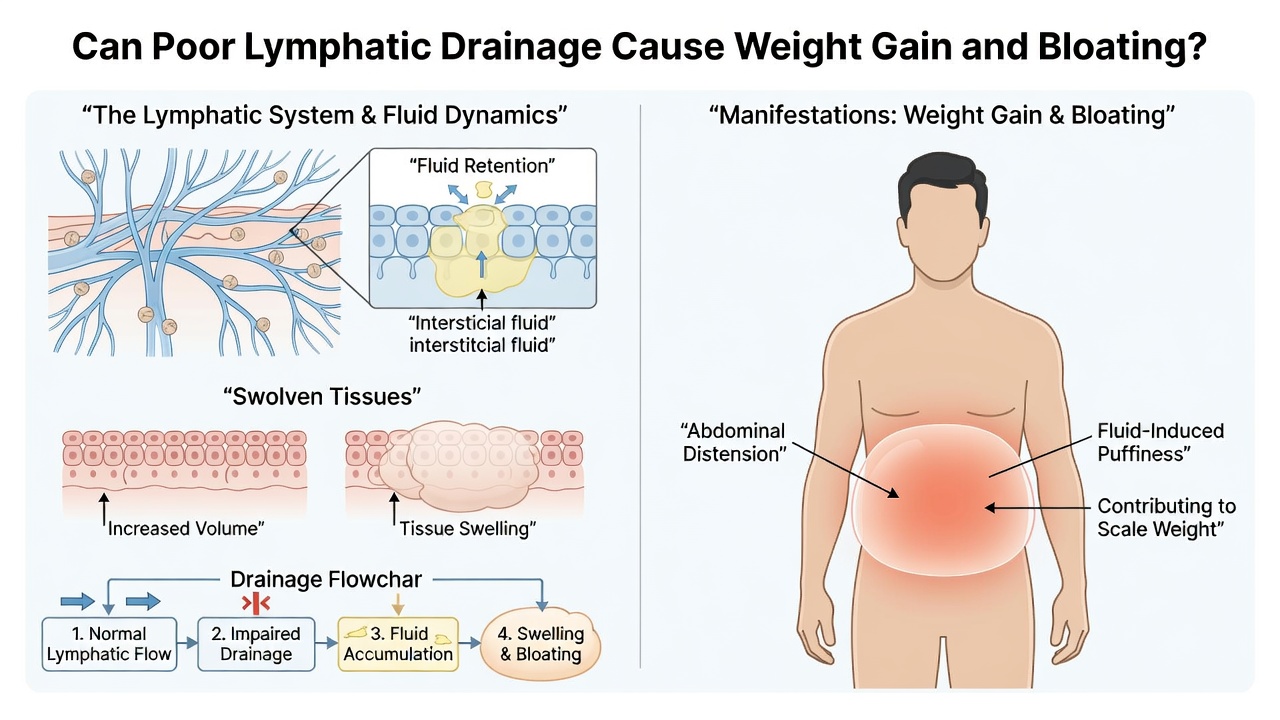
The lymphatic system, skin (via sweat), and lungs also contribute meaningfully to elimination. Supporting these pathways through movement, adequate sleep, and targeted nutrition creates a holistic detoxification environment that no single supplement can replicate alone.
While the body detoxifies continuously, certain signs may indicate that elimination pathways are under excessive burden or functioning suboptimally. These include persistent fatigue that is not explained by sleep deficit, frequent headaches, skin breakouts or dullness, bloating and irregular bowel movements, sensitivity to alcohol or caffeine, brain fog, and a general feeling of sluggishness after eating. These symptoms are nonspecific but frequently correlate with hepatic or gastrointestinal congestion in functional medicine contexts.
Prioritize products containing ingredients with peer-reviewed research behind them. Milk thistle (silymarin) has over 30 clinical trials supporting its hepatoprotective effects. NAC is a well-established glutathione precursor validated in both toxicology and liver disease research. Dandelion root supports bile flow, and artichoke leaf extract has demonstrated measurable improvements in liver enzyme levels in randomized controlled trials. Activated charcoal and modified citrus pectin have evidence for acute toxin binding in the GI tract. Avoid products built entirely around proprietary blends with no disclosed doses.
Effective detox supplements list exact milligram amounts for each active ingredient and are verified by independent testing bodies such as NSF International, USP, or Informed Sport. This matters especially in this category, where heavy metal contamination in herbal products has been documented in peer-reviewed literature.
The most frequent error is selecting products based on marketing language — words like "cleanse," "flush," or "reset" signal commercial intent rather than clinical credibility. Buyers also commonly underestimate the role of diet and hydration, expecting a supplement to compensate for an otherwise poor lifestyle. Using harsh laxative-based "detox teas" over extended periods can disrupt electrolyte balance and damage the bowel lining. Finally, many people ignore that certain herbal detox compounds can interact with prescription medications metabolized by CYP450 enzymes — an important pharmacokinetic consideration.
If you are experiencing any of the red-flag symptoms listed above, consult a physician before beginning any detox protocol. Anyone with diagnosed liver disease, kidney disease, gallstones, or who is pregnant or breastfeeding should seek medical clearance before using detox supplements. Detox products are not a treatment for any medical condition and should never be used as a substitute for prescribed therapy or medical investigation.
Frequently Asked Questions
Some ingredients found in detox supplements — such as milk thistle, NAC, and artichoke extract — have genuine clinical evidence supporting liver and antioxidant function. However, no supplement "detoxes" the body in a dramatic sense. They work by supporting the liver's natural enzymatic processes, improving bile flow, or enhancing glutathione production. Results depend heavily on the quality of the formulation, the doses used, and the individual's baseline health and diet.
This depends on the product type. Liver-supportive formulas with ingredients like silymarin are generally studied over 8–12 week periods. Aggressive short-term "cleanses" lasting 3–7 days have little clinical support and can be counterproductive. Sustained, lower-intensity nutritional support for detox pathways is typically more beneficial than periodic extreme protocols.
Absolutely — and diet is arguably more impactful than any supplement. Cruciferous vegetables (broccoli, Brussels sprouts) upregulate Phase II enzymes via sulforaphane. High-fiber foods support intestinal toxin binding. Adequate protein provides the amino acid cofactors essential for Phase II conjugation. Supplements work best as an adjunct to a nutrient-dense, whole-food diet, not as a replacement for one.
Many commercial detox teas contain senna leaf or other stimulant laxatives, which are not appropriate for regular use. Prolonged use can cause electrolyte imbalances, potassium depletion, and laxative dependency. Herbal teas containing dandelion, ginger, or milk thistle at appropriate doses are generally safer, but product quality and contamination remain concerns. Always check the full ingredient list and avoid any product that causes diarrhea as its primary mechanism.
Liver detox supplements target the hepatic Phase I and II enzymatic pathways specifically, typically using hepatoprotective herbs and glutathione precursors. Full-body cleanse products tend to take a broader approach, incorporating gut-support ingredients, diuretics, and lymphatic herbs. The evidence base for targeted liver support is considerably stronger than for broad-spectrum cleanse products, many of which combine ingredients without robust dose-specific research to support the combination.