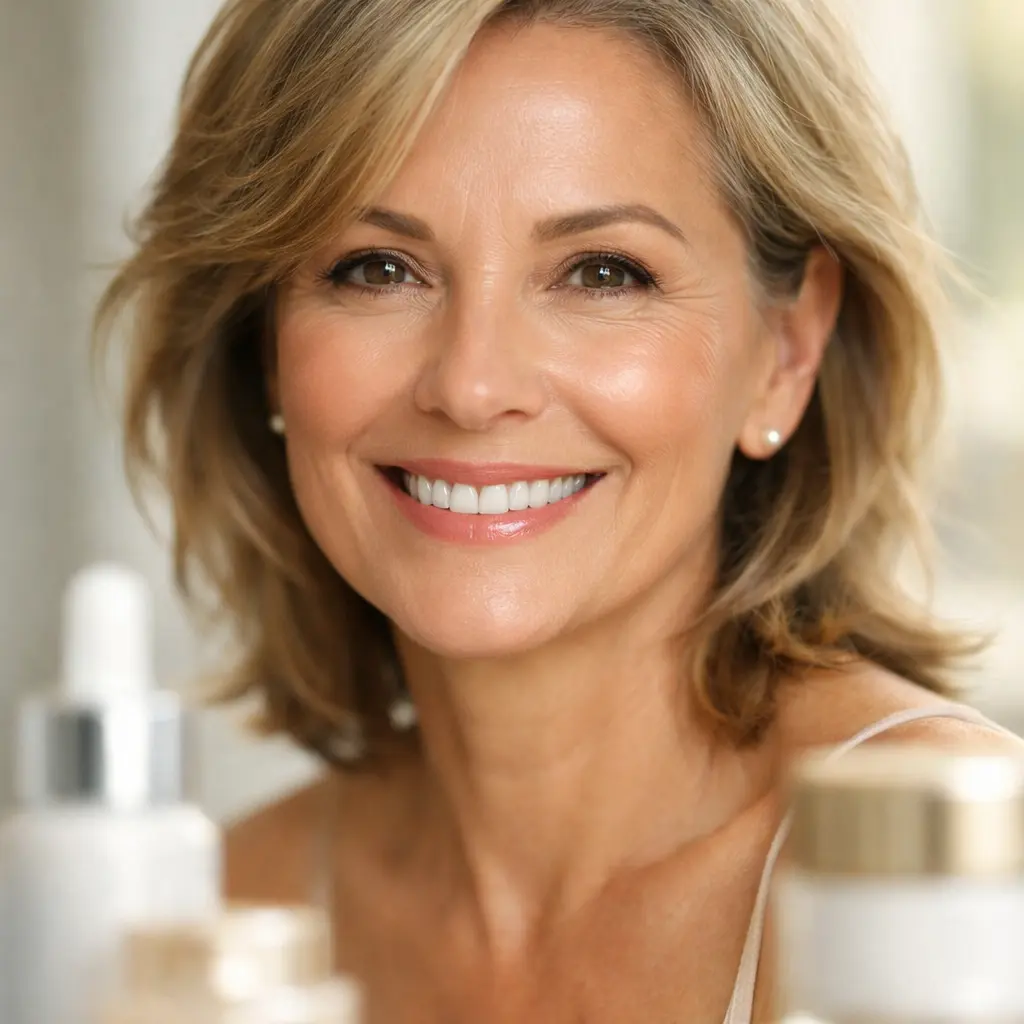
Best Anti Aging Reviews of 2026
Analysis of longevity supplements targeting NAD+ production, cellular senescence, telomere support, and age-related decline reversal mechanisms.
Analysis of longevity supplements targeting NAD+ production, cellular senescence, telomere support, and age-related decline reversal mechanisms.
Key factors to evaluate when selecting an anti-aging supplement that supports cellular longevity, skin health, and overall vitality.
Look for clinically studied anti-aging compounds such as NMN, NR (Nicotinamide Riboside), Resveratrol, Quercetin, and Fisetin, which target cellular senescence and NAD+ production. Ingredients like Coenzyme Q10 and Alpha-Lipoic Acid support mitochondrial function, a core driver of biological aging. Avoid products with vague proprietary blends that obscure individual ingredient dosages.
Research shows that effective anti-aging ingredients require specific dosages — for example, NMN is typically studied at 250–500mg per day and Resveratrol at 150–500mg. Compare the supplement's label against published clinical trials to ensure you're getting therapeutic amounts, not token inclusions added purely for marketing. Underdosed formulas are extremely common in the anti-aging category.
Effective anti-aging supplements should address oxidative stress and the accumulation of senescent 'zombie' cells, which accelerate aging. Look for senolytics like Fisetin and Quercetin alongside broad-spectrum antioxidants such as Astaxanthin, Vitamin C, and Vitamin E. A formula targeting both pathways provides more comprehensive protection than one focused solely on energy or skin appearance.
Anti-aging supplements often contain expensive, sensitive compounds like NMN that can degrade or be substituted with cheaper alternatives. Choose brands that provide Certificates of Analysis (COAs) from independent labs such as NSF, Informed Sport, or USP, confirming potency and purity. Transparency in sourcing, especially for ingredients like Resveratrol derived from Japanese Knotweed, is a strong indicator of product quality.
Anti-aging is multidimensional — some formulas prioritize skin elasticity and collagen production with ingredients like Hyaluronic Acid, Collagen Peptides, and Biotin, while others focus on cognitive longevity, cardiovascular health, or cellular energy. Identify your primary aging concerns before purchasing and select a product whose ingredient profile directly addresses those areas. Combining a targeted formula with a healthy lifestyle will yield the most measurable results.
Anti-aging, as a health category, encompasses the science and practice of slowing, preventing, or partially reversing the biological processes that cause age-related decline. Rather than simply targeting cosmetic concerns like wrinkles or grey hair, modern anti-aging science focuses on cellular longevity, metabolic resilience, and the preservation of cognitive and physical function well into later life. This includes strategies rooted in nutrition, supplementation, lifestyle modification, and emerging interventional therapies.
The field draws from disciplines including geroscience, molecular biology, and clinical nutrition. Researchers now understand that aging is not a single event but a confluence of interconnected biological processes — oxidative stress accumulation, chronic low-grade inflammation (sometimes called "inflammaging"), mitochondrial dysfunction, and the gradual erosion of cellular repair mechanisms. Effective anti-aging strategies target one or more of these pathways simultaneously.
For supplement users, the anti-aging category covers products designed to support healthy cellular aging, protect against oxidative damage, maintain hormonal balance, support cognitive sharpness, preserve muscle mass and bone density, and promote cardiovascular health — all of which decline measurably with age when unaddressed.
At the cellular level, aging is driven in part by the progressive shortening of telomeres — the protective caps at the ends of chromosomes. Each time a cell divides, telomeres shorten slightly. When they become critically short, cells enter a state called senescence, where they stop dividing but remain metabolically active, secreting inflammatory cytokines that damage surrounding tissue. Research published in The Lancet has associated shorter telomere length with increased risk of cardiovascular disease, type 2 diabetes, and all-cause mortality.
Mitochondrial dysfunction is another cornerstone of biological aging. Mitochondria produce ATP — the energy currency of every cell — but also generate reactive oxygen species (ROS) as a byproduct. With age, the ratio of ROS production to antioxidant defense shifts unfavorably, leading to cumulative oxidative damage to DNA, proteins, and lipid membranes. Declining NAD+ levels, which fall by approximately 50% between young adulthood and midlife, further impair mitochondrial efficiency and the activity of longevity-associated sirtuins (SIRT1–SIRT7).
Systemic inflammation also accelerates with age. Elevated markers such as IL-6, TNF-α, and C-reactive protein (CRP) have been consistently linked to accelerated biological aging and age-related disease burden. This chronic inflammatory state is fuelled by visceral fat accumulation, gut microbiome dysbiosis, and reduced immune regulation — all of which are modifiable targets for evidence-based supplementation and lifestyle intervention.
A 2023 meta-analysis in Ageing Research Reviews found that individuals with the highest dietary antioxidant intake had a 21% lower risk of all-cause mortality compared to those with the lowest intake, independent of other lifestyle factors.
Biological age does not always match chronological age. Early indicators of accelerated cellular aging can include persistent fatigue unresponsive to rest, declining exercise recovery, increased frequency of illness, noticeable memory lapses, reduced skin elasticity, joint stiffness, and unexplained weight gain — particularly around the abdomen. These signs may indicate elevated inflammatory load, mitochondrial decline, or hormonal shifts including reduced testosterone, estrogen, DHEA, or growth hormone secretion.
Cognitive changes such as brain fog, word-finding difficulties, and reduced mental stamina are also worth monitoring, as these can reflect both neuroinflammation and declining cerebrovascular health. While some changes are a normal part of aging, a significant or rapid shift in any of these areas warrants both medical evaluation and a closer review of nutritional status.
The most credible anti-aging supplements are built around ingredients with human clinical trial data, not just in-vitro or animal research. Key evidence-backed compounds include NMN (nicotinamide mononucleotide) and NR (nicotinamide riboside) for NAD+ restoration; trans-resveratrol for sirtuin activation; coenzyme Q10 (ubiquinol form) for mitochondrial support; and astaxanthin for potent antioxidant protection. Collagen peptides (specifically types I and III) have demonstrated efficacy for skin elasticity in double-blind trials. Look for products that disclose exact ingredient doses, use clinically studied forms, and carry third-party testing certifications such as NSF or Informed Sport.
Many consumers prioritize marketing language over ingredient transparency. Avoid products that list proprietary blends without disclosed quantities, making it impossible to assess whether doses are therapeutically meaningful. Another frequent error is choosing products based on a single "hero" ingredient while ignoring synergistic formulation. For example, resveratrol has significantly improved bioavailability when paired with piperine or taken with fat. Chasing trends — such as high-dose antioxidant megadosing — can also be counterproductive, as excessive antioxidant supplementation may blunt beneficial hormetic stress responses that promote cellular resilience.
Anti-aging supplements are intended to complement a healthy lifestyle, not replace medical care. If you are experiencing pronounced symptoms of premature aging, hormonal disruption, or cognitive decline, consult a physician or functional medicine specialist before beginning any new supplement protocol. Blood panels measuring CRP, homocysteine, NAD+ metabolites, vitamin D, and hormonal panels can provide a meaningful baseline. Individuals on anticoagulants, immunosuppressants, or medications with narrow therapeutic windows should always seek medical advice before adding resveratrol, CoQ10, or high-dose omega-3s to their regimen.
Frequently Asked Questions
There is no universal starting age, but research suggests that NAD+ levels begin declining measurably in the mid-30s, making this a common point at which proactive supplementation becomes relevant. Foundational interventions — such as vitamin D, omega-3s, and magnesium — are beneficial at any adult age and provide a strong base before introducing more targeted compounds.
Several compounds have demonstrated meaningful benefits in human trials. NMN has shown improvements in muscle endurance and NAD+ biomarkers in adults over 65 (Yamaguchi et al., 2022). Collagen peptides have shown statistically significant improvements in skin elasticity in multiple placebo-controlled trials. Results vary by compound, dose, and individual biology — no supplement offers universal or dramatic results.
Both nicotinamide mononucleotide (NMN) and nicotinamide riboside (NR) are precursors to NAD+, but they enter the NAD+ biosynthesis pathway at different points. NMN is one step closer to NAD+ than NR. Some researchers argue NMN may be more efficient, but current human data does not conclusively establish superiority of one over the other. Both have demonstrated safety and NAD+-raising capacity in clinical trials.
Many anti-aging compounds work synergistically — for example, combining CoQ10 with vitamin E, or NMN with resveratrol and pterostilbene. However, stacking multiple supplements increases the complexity of interactions and the risk of exceeding tolerable upper limits for certain nutrients. Starting with one or two well-studied compounds and introducing others gradually is a safer and more assessable approach.
Most well-studied anti-aging supplements — including NR, CoQ10, astaxanthin, and collagen peptides — have favorable long-term safety profiles based on available data. However, very few compounds have decade-length human safety studies, simply because the science is relatively recent. Periodic reassessment with a healthcare provider and adherence to evidence-based dosing guidelines is the most prudent approach for sustained use.