Low Motivation in Men: Medical Causes & Solutions

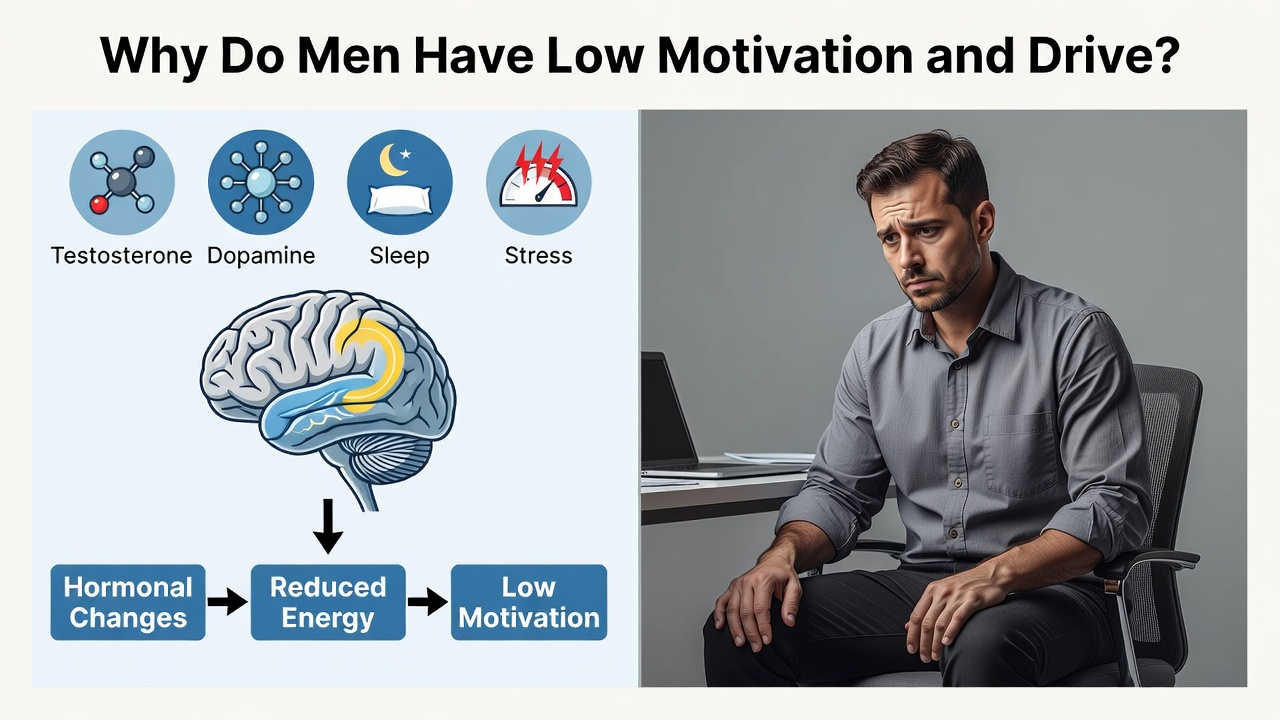
Low motivation and drive affect millions of men worldwide, yet many dismiss it as laziness or character weakness. In reality, diminished motivation is frequently a medical symptom—not a personal failing. Whether you're struggling to start workouts, maintain focus at work, or pursue meaningful goals, the underlying cause often traces to physiological dysfunction rather than psychological weakness.
This article explores eight evidence-based medical reasons why you may experience low motivation and drive, supported by current clinical research, and outlines practical solutions to restore your motivation and vitality.
1. Testosterone Deficiency (Hypogonadism)
Testosterone is the primary driver of motivation, ambition, and energy in men. When levels drop below 300 ng/dL, motivation and drive decline significantly. Testosterone influences dopamine pathways in the brain—the neurotransmitter directly responsible for motivation and reward-seeking behavior.
Research shows that men with low testosterone report reduced motivation, lack of initiative, and diminished sense of purpose. This isn't psychological; it's neurochemical. Age-related testosterone decline occurs at approximately 1% per year after age 30, but other factors—obesity, sleep apnea, metabolic syndrome, and chronic stress—accelerate this decline at any age.
If you experience low motivation alongside fatigue, reduced libido, erectile dysfunction, or mood disturbances, testosterone testing is warranted. A healthcare provider can order a simple blood test to measure total and free testosterone levels.
2. Sleep Deprivation and Sleep Disorders
Chronic sleep deprivation is among the most overlooked causes of low motivation in men. During sleep, the brain consolidates memories, restores neurotransmitter stores, and regulates hormones critical to motivation—including dopamine and norepinephrine.
When you consistently sleep fewer than 7 hours per night, motivation plummets within 48 hours. A 2016 study published in a leading sleep medicine journal found that sleep-deprived individuals showed reduced activation in brain regions associated with motivation and reward processing.
Sleep apnea—where breathing repeatedly stops during sleep—is particularly damaging. Sufferers experience fragmented sleep and oxygen desaturation that impairs motivation, cognition, and emotional regulation. Men are 2-3 times more likely than women to develop sleep apnea, especially after age 40.
Solution: Aim for 7-9 hours of consistent sleep. If you snore heavily, experience daytime sleepiness, or have witnessed breathing pauses, seek a sleep study to rule out sleep apnea.
3. Depression and Mood Disorders
Major depressive disorder manifests differently in men than women. Rather than overt sadness, men with depression often present with anhedonia (loss of pleasure), irritability, and profound loss of motivation. This makes depression underdiagnosed in men—they report "not caring anymore" rather than feeling sad.
Depression alters dopamine, serotonin, and norepinephrine levels, directly suppressing motivation and initiative. Men are also less likely to seek mental health support, allowing depression to worsen untreated.
If low motivation is accompanied by persistent irritability, withdrawal from activities you once enjoyed, sleep disturbance, appetite changes, or thoughts of hopelessness, professional evaluation is essential. The National Institute of Mental Health provides screening resources to help identify depression early.
4. Thyroid Dysfunction (Hypothyroidism)
The thyroid regulates metabolic rate and energy expenditure. Hypothyroidism—insufficient thyroid hormone production—causes a systemic slowdown affecting motivation, cognition, and physical energy.
Men with low thyroid function report reduced motivation, mental fog, weight gain despite low appetite, cold intolerance, and fatigue. Thyroid dysfunction is less commonly diagnosed in men than women, but it affects both sexes significantly. Iodine deficiency, autoimmune thyroiditis, and certain medications can trigger hypothyroidism.
A simple TSH blood test and free T4 measurement can identify thyroid dysfunction. If detected, thyroid hormone replacement therapy typically restores motivation within weeks.
5. Vitamin and Mineral Deficiencies
Multiple micronutrients are essential for motivation and energy production. Deficiencies in B vitamins (especially B12 and folate), vitamin D, magnesium, iron, and zinc directly impair neurotransmitter synthesis and mitochondrial energy production.
Vitamin B12 deficiency causes fatigue and apathy because B12 is critical for myelin formation and neurological function. Men over 50, those taking metformin, and individuals with gastrointestinal disorders are at elevated risk.
Vitamin D deficiency correlates strongly with depression and low motivation. This is particularly relevant for men in northern climates or those with limited sun exposure. A 25-hydroxyvitamin D level below 30 ng/mL is considered deficient.
Magnesium supports 300+ enzymatic reactions including neurotransmitter synthesis. Deficiency impairs motivation and emotional resilience.
Iron insufficiency impairs oxygen transport and energy production, leading to fatigue and low motivation.
Request a comprehensive micronutrient panel including B12, folate, vitamin D, magnesium, and ferritin levels. Supplementation can reverse motivation loss within 4-8 weeks if deficiency is the cause.
6. Metabolic Dysfunction and Blood Sugar Dysregulation
Metabolic syndrome—characterized by abdominal obesity, insulin resistance, high blood pressure, and dyslipidemia—profoundly impacts motivation through multiple pathways. Insulin resistance impairs glucose delivery to the brain, reducing fuel for motivation and cognition.
Blood sugar dysregulation creates energy crashes that manifest as motivation loss, mood swings, and fatigue. Men with undiagnosed prediabetes or type 2 diabetes frequently report unexplained motivation decline.
Solution: Request fasting glucose, HbA1c, and insulin levels. Adopting a lower-glycemic diet, increasing physical activity, and achieving weight loss can reverse insulin resistance and restore motivation within weeks to months.
7. Chronic Inflammation and Cytokine Dysregulation
Low-grade systemic inflammation—driven by obesity, poor diet, sedentary behavior, and chronic stress—suppresses motivation through elevated pro-inflammatory cytokines (IL-6, TNF-α, IL-1β). These cytokines cross the blood-brain barrier and directly suppress dopamine and motivation circuits in the prefrontal cortex.
Chronic inflammation is the shared mechanism underlying depression, metabolic dysfunction, and motivation loss in many men. Markers of inflammation (high-sensitivity C-reactive protein, fibrinogen) correlate with reduced motivation and anhedonia.
Anti-inflammatory interventions—including omega-3 supplementation, increased physical activity, gut microbiome support through probiotic-rich foods, and reduction of processed food intake—can reduce inflammatory markers and restore motivation.
8. Chronic Stress and Elevated Cortisol
Chronic psychological stress elevates cortisol, the primary stress hormone. While acute cortisol spikes enhance alertness and motivation, sustained elevation suppresses dopamine production and impairs prefrontal cortex function—the brain region driving goal-directed behavior and motivation.
Men experiencing prolonged occupational stress, relationship difficulties, or financial strain often report motivation collapse. This is a physiological response to HPA-axis dysregulation, not weakness.
Solution: Implement stress-reduction practices including meditation, deep breathing exercises, consistent exercise, and adequate sleep. Professional counseling can address underlying stressors. In some cases, adaptogens like rhodiola or ashwagandha may support cortisol regulation, though evidence is mixed.
Practical Steps to Restore Motivation
Get Comprehensive Lab Work: Request testing for testosterone, TSH, vitamin D, B12, magnesium, iron, fasting glucose, HbA1c, and high-sensitivity CRP. These tests identify root causes rather than treating symptoms.
Optimize Sleep: Establish consistent sleep-wake times. Aim for 7-9 hours nightly. If you snore or experience daytime sleepiness, seek a sleep study.
Exercise Regularly: Physical activity increases dopamine, improves insulin sensitivity, reduces inflammation, and enhances sleep quality. Aim for 150 minutes of moderate aerobic exercise weekly plus resistance training.
Improve Diet: Prioritize whole foods, adequate protein, omega-3 fats, and fiber. Reduce ultra-processed foods and refined carbohydrates that spike blood sugar and inflammation.
Address Mental Health: If depression or anxiety is suspected, seek professional support. Therapy and, when appropriate, medication can restore motivation significantly.
Stress Management: Daily meditation, deep breathing, or other relaxation practices help normalize cortisol and restore motivation. Consider working with a therapist to address chronic stressors.
Low motivation in men is medical, not moral. With proper diagnosis and targeted intervention, motivation and drive can be fully restored. If you're also experiencing persistent brain fog and fatigue constantly, these often share root causes worth investigating together.
Frequently Asked Questions
Scientific References
Editorial Information
Sarah Mitchell writes educational content covering health, nutrition, and wellness topics. Her work is intended to present information in a clear and accessible format while encouraging readers to consult qualified healthcare professionals for personal medical advice.