Why Do I Feel Dizzy After Eating a Large Meal?

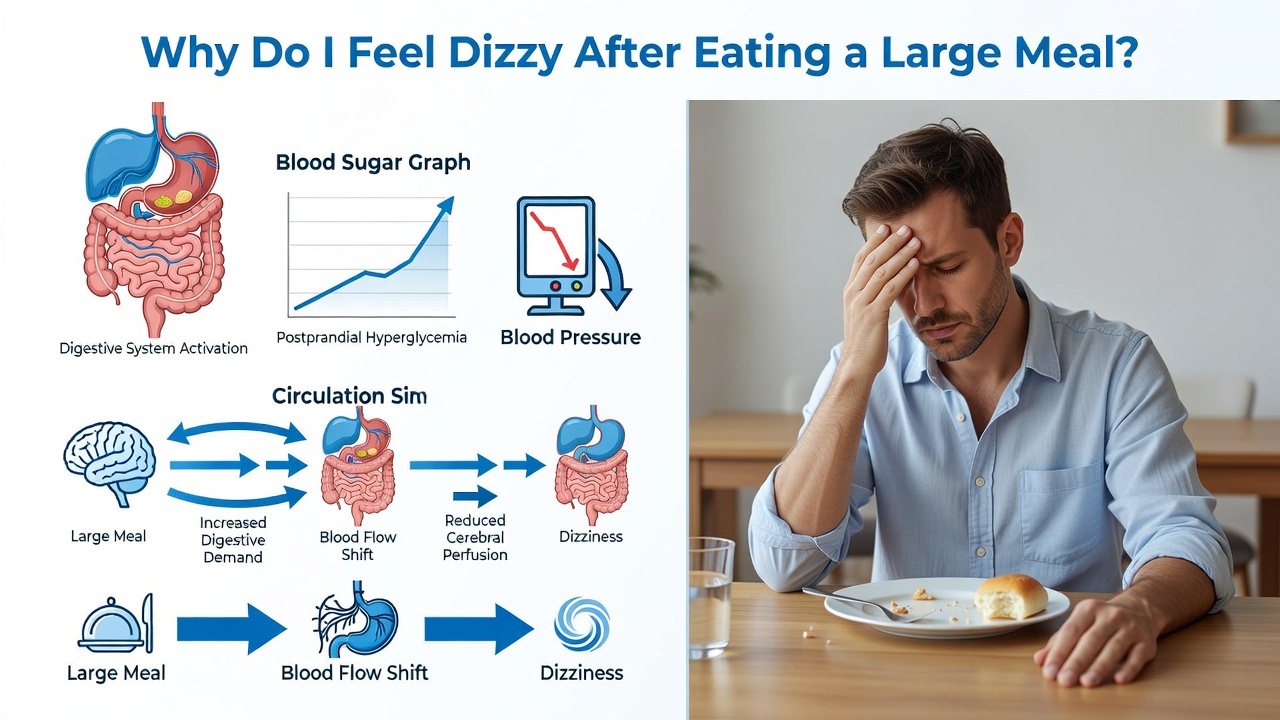
Post-meal dizziness is a common yet often overlooked symptom affecting millions of people. You finish a substantial meal and suddenly feel lightheaded, unsteady, or as though the room is spinning. This sensation typically resolves within minutes to hours, but its underlying causes warrant attention—particularly if it occurs frequently or with smaller portions.
Post-prandial dizziness (dizziness after eating) results from multiple physiological mechanisms occurring simultaneously during digestion. Understanding these mechanisms empowers you to identify triggers, modify eating patterns, and seek appropriate medical guidance when necessary.
Postprandial Hypoglycemia and Blood Sugar Dysregulation
The most common mechanism underlying post-meal dizziness involves reactive hypoglycemia—a sharp drop in blood glucose following a meal. When you consume a large meal high in refined carbohydrates, your pancreas releases substantial amounts of insulin to manage the glucose spike. In susceptible individuals, this insulin response overshoots, driving blood sugar below baseline levels within 2–3 hours of eating.
This rapid glucose decline deprives the brain of its primary fuel source. The brain consumes approximately 20% of the body's energy at rest and relies almost exclusively on glucose. When supply drops acutely, dizziness, confusion, fatigue, and sweating follow. A 1992 study on reactive hypoglycemia documented that symptomatic individuals experienced dizziness and lightheadedness during glucose nadirs, with symptoms correlating directly to measured blood glucose levels.
Risk factors for postprandial hypoglycemia include insulin resistance, prediabetes, gastric surgery history, and certain medications. Large meals containing simple sugars and refined starches—white bread, pasta, sugary desserts—trigger steeper insulin surges than balanced meals with protein, fat, and fiber.
Splanchnic Vasodilation and Blood Pooling
After eating, the body redirects blood flow to the digestive tract to support nutrient absorption and processing. This postprandial vasodilation—widening of blood vessels in the abdomen—diverts blood away from the brain and muscles. In healthy individuals, compensatory mechanisms (increased heart rate, vasoconstriction elsewhere) maintain blood pressure and cerebral perfusion.
However, in some people, this redistribution is insufficient or excessive. Blood pools in the splanchnic (abdominal) circulation, reducing central blood volume and cerebral blood flow. This is particularly pronounced after large meals and in individuals with autonomic nervous system dysfunction. The resulting temporary hypotension manifests as dizziness, lightheadedness, or tunnel vision.
Older adults and those with cardiovascular conditions are especially vulnerable to postprandial blood pooling because their compensatory mechanisms decline with age and disease. This explains why post-meal dizziness becomes more prevalent in the aging population.
Meal Size and Macronutrient Composition
The absolute size of a meal significantly influences postprandial dizziness risk. Large meals require greater digestive effort, demanding more aggressive metabolic and circulatory adjustments than small meals. Additionally, meal composition profoundly affects symptom severity.
High-carbohydrate meals (particularly refined carbs) trigger rapid glucose spikes and subsequent insulin surges, increasing hypoglycemia risk. High-fat meals delay gastric emptying and can cause prolonged splanchnic vasodilation. Low-protein meals lack satiety signals and amino acids needed for stable glucose metabolism and neurotransmitter synthesis.
Balanced meals containing protein (15–30g), healthy fats (10–20g), and fiber (5–10g) produce steadier glucose responses and more gradual blood flow redistribution, minimizing dizziness risk. Protein slows carbohydrate digestion, fat provides satiety, and fiber stabilizes glucose absorption—collectively preventing the rapid fluctuations that trigger symptoms.
Gastrointestinal and Vagal Responses
Digestion activates the vagus nerve, which governs parasympathetic nervous system responses. In certain individuals, particularly those with autonomic dysfunction, excessive vagal stimulation during eating or immediately after can trigger vasovagal episodes—sudden drops in heart rate and blood pressure causing syncope-like symptoms including dizziness and fainting.
Additionally, rapid stomach distension from large meals can mechanically stimulate vagal branches, amplifying this response. Conditions like gastroparesis (delayed gastric emptying) or irritable bowel syndrome (IBS) increase susceptibility, as does a history of anxiety or panic disorder, which heightens nervous system sensitivity to visceral sensations.
Certain foods—spicy dishes, high-fat content, carbonated beverages—irritate the gastrointestinal lining or cause gas production, escalating mechanical stimulation and symptom severity.
Underlying Metabolic and Cardiovascular Conditions
While occasional post-meal dizziness is generally benign, frequent or severe episodes warrant medical evaluation, as they may signal underlying pathology. Conditions that increase susceptibility include:
Prediabetes and Type 2 Diabetes: Abnormal insulin secretion patterns increase reactive hypoglycemia risk. Conversely, uncontrolled hyperglycemia can trigger osmotic diuresis (fluid loss via urine), leading to dehydration and dizziness.
Autonomic Neuropathy: Damage to autonomic nerve fibers impairs cardiovascular compensation during postprandial blood shifts, exacerbating symptoms.
Orthostatic Intolerance: Difficulty maintaining blood pressure when upright is amplified during digestion when blood pooling is greatest.
Postural Orthostatic Tachycardia Syndrome (POTS): Characterized by excessive heart rate elevation and blood pooling, POTS patients typically experience worsening symptoms after large meals.
Medication side effects—certain antihypertensives, antidepressants, or antihistamines—can impair autonomic regulation or blood glucose control, increasing dizziness risk during digestion.
Practical Strategies to Reduce Post-Meal Dizziness
Eat smaller, more frequent meals: Instead of three large meals, consume five to six smaller portions distributed throughout the day. This reduces both glucose spikes and splanchnic vasodilation intensity.
Prioritize balanced macronutrients: Include lean protein, healthy fats, and complex carbohydrates in every meal. Protein and fat slow glucose absorption and provide sustained energy, while complex carbs (oats, quinoa, sweet potato) minimize insulin surges compared to refined alternatives. This supports optimal blood sugar regulation.
Increase soluble fiber intake: Fiber (legumes, oats, vegetables) slows gastric emptying and blunts glucose spikes, preventing the sharp insulin response that triggers reactive hypoglycemia.
Avoid lying down immediately after eating: Remaining upright for 2–3 hours after meals supports digestion and prevents blood pooling in recumbent positions. Light activity (walking) promotes gentle muscle contractions that enhance venous return to the heart.
Stay well-hydrated: Dehydration exacerbates postprandial blood pressure drops. Drink water consistently throughout the day, particularly before and after meals.
Limit alcohol and caffeine with meals: Both are diuretics that increase fluid loss and can amplify dizziness. Additionally, caffeine stimulates gastric acid production, potentially irritating the GI tract and triggering excessive vagal responses.
Eat slowly and mindfully: Rapid eating causes faster stomach distension and more pronounced vagal stimulation. Chewing thoroughly aids digestive enzyme mixing and provides satiety cues before overeating occurs.
When to Seek Medical Evaluation
Occasional mild dizziness after large meals typically requires no intervention beyond lifestyle modification. However, consult a healthcare provider if dizziness is frequent, severe, accompanied by fainting, chest pain, shortness of breath, or if symptoms persist despite dietary changes.
Your physician may recommend laboratory testing (fasting glucose, HbA1c, comprehensive metabolic panel) to rule out diabetes or electrolyte abnormalities. An evaluation by Mayo Clinic suggests that cardiac assessment may be warranted if dizziness coincides with palpitations or family history of arrhythmias. Tilt-table testing can assess autonomic function, and continuous glucose monitoring may identify reactive hypoglycemia patterns in susceptible individuals.
Frequently Asked Questions
Editorial Information
Sarah Mitchell writes educational content covering health, nutrition, and wellness topics. Her work is intended to present information in a clear and accessible format while encouraging readers to consult qualified healthcare professionals for personal medical advice.