Sudden Weight Gain Without Diet Change: Medical Causes

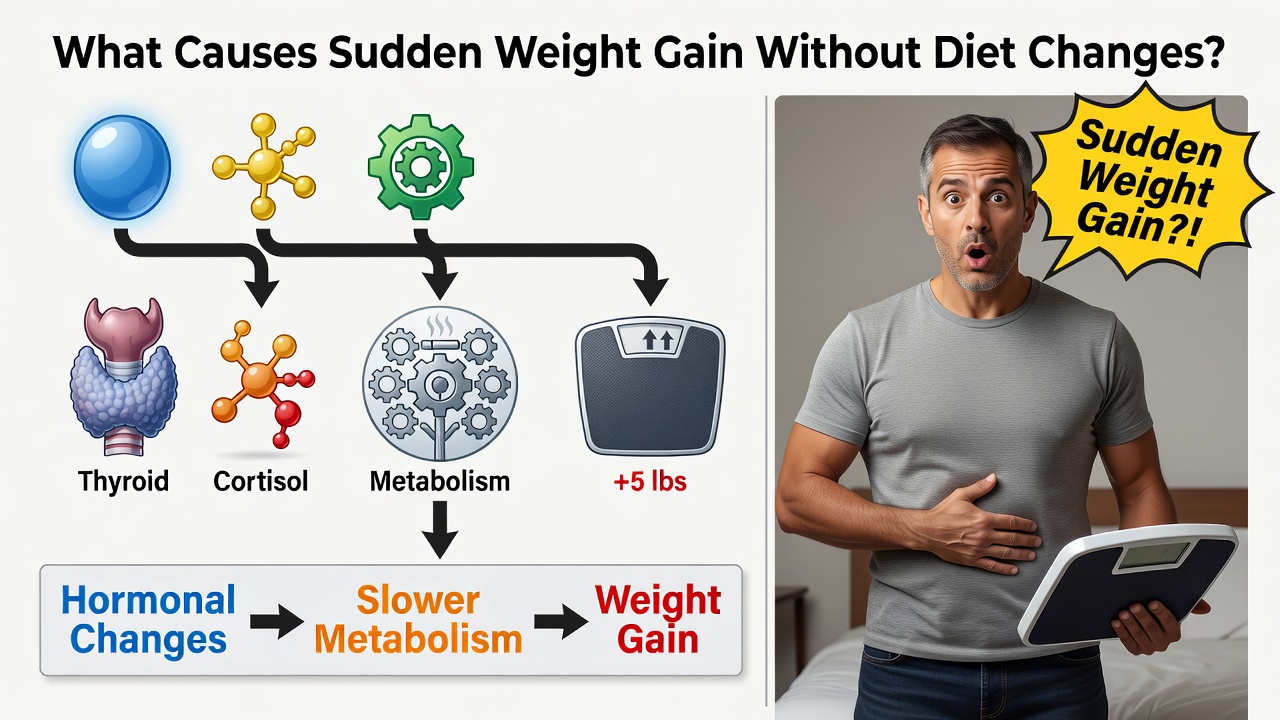
Sudden weight gain without changes to your eating habits or exercise routine can be frustrating and confusing. Many people assume weight gain only occurs when calorie intake increases, but the body is far more complex. Medical conditions, hormonal fluctuations, medication side effects, and metabolic changes can all trigger rapid weight gain independent of dietary modifications.
Understanding the underlying causes is essential for developing an effective response. This article explores the primary medical and physiological reasons why your body might be gaining weight despite maintaining consistent nutrition and activity levels.
Thyroid Dysfunction and Metabolism
The thyroid gland regulates metabolic rate—how many calories your body burns at rest. Hypothyroidism (underactive thyroid) reduces thyroid hormone production, which dramatically slows metabolism. Even with unchanged diet and exercise, this metabolic slowdown results in weight accumulation.
Research indicates that thyroid disorders affect millions globally, with weight gain being one of the earliest symptoms. Hashimoto's thyroiditis, an autoimmune condition, progressively reduces thyroid function and can cause 10-15 pounds of weight gain before other symptoms become apparent. A medical evaluation including TSH (thyroid-stimulating hormone) and free T4 levels is necessary to rule out thyroid disease as the underlying cause.
Hormonal Imbalances
Hormones act as chemical messengers that regulate appetite, energy expenditure, and fat storage. Disruptions in hormone balance frequently cause unexplained weight gain.
Estrogen and Progesterone: Fluctuations in these hormones during perimenopause and menopause trigger metabolic changes. Lower estrogen levels reduce metabolic rate and promote fat storage in the abdominal region. Menstruating individuals may experience cyclical weight gain during the luteal phase of the menstrual cycle due to progesterone elevation and water retention.
Cortisol: Chronic stress elevates cortisol, a glucocorticoid hormone. Elevated cortisol increases appetite, promotes abdominal fat storage, and reduces insulin sensitivity. This mechanism explains why stress-induced weight gain occurs even with stable calorie consumption.
Insulin Resistance: This condition develops when cells become less responsive to insulin. The body compensates by producing excess insulin, which promotes fat storage and increases hunger signals. Insulin resistance is often asymptomatic initially but results in progressive weight gain.
Medication-Induced Weight Gain
Numerous prescription medications cause weight gain as a documented side effect by altering metabolic rate, increasing appetite, or promoting fluid retention.
Antipsychotics and Antidepressants: Medications like olanzapine, risperidone, and sertraline are associated with significant weight gain. These drugs can increase appetite and alter metabolism through effects on serotonin and dopamine pathways.
Corticosteroids: Prednisone and other systemic corticosteroids increase appetite, promote fat redistribution, and reduce metabolic rate. Even moderate doses taken for weeks can produce noticeable weight gain.
Beta-Blockers and Antihistamines: These medications reduce metabolic rate and can increase hunger. Antihistamines cross the blood-brain barrier and interact with appetite-regulating neurotransmitters.
If weight gain coincides with starting a new medication, consult your prescribing physician. Dose adjustments or alternative medications may be available.
Fluid Retention and Edema
Rapid weight gain sometimes reflects fluid accumulation rather than fat tissue gain. Several conditions cause pathological fluid retention:
Sodium Sensitivity and Dietary Changes: Increased sodium intake causes water retention, particularly in those with salt sensitivity. One gram of sodium can retain approximately 1 liter of water.
Venous and Lymphatic Dysfunction: Poor circulation impairs the body's ability to remove excess fluid from tissues. As discussed in related research on how poor lymphatic drainage causes weight gain and bloating, compromised lymphatic function contributes to persistent fluid accumulation and apparent weight gain.
Kidney and Liver Disease: Both organs regulate fluid balance. Dysfunction in either increases fluid retention and can produce 5-10 pounds of water weight gain.
Cardiac Issues: Heart failure reduces the heart's efficiency in pumping blood, leading to fluid backup in tissues and weight gain.
Metabolic and Endocrine Disorders
Polycystic Ovary Syndrome (PCOS): PCOS affects reproductive-age individuals and causes insulin resistance, elevated androgen levels, and metabolic dysfunction. These factors promote weight gain, particularly in the abdominal region, even with unchanged nutrition.
Cushing's Syndrome: Excessive cortisol production from pituitary or adrenal tumors causes rapid abdominal weight gain, muscle weakness, and skin changes. This rare condition requires endocrinological evaluation.
Growth Hormone Deficiency: Growth hormone maintains muscle mass and metabolic rate. Deficiency reduces these functions and increases fat storage capacity.
Hypothalamic Dysfunction: Damage to the hypothalamus from tumors, injury, or disease disrupts appetite and satiety signals, leading to hyperphagia (excessive hunger) and weight gain despite conscious dietary restraint.
Sleep Deprivation and Metabolic Stress
Insufficient sleep alters metabolic hormones and increases weight gain risk. Sleep deprivation elevates ghrelin (hunger hormone) and reduces leptin (satiety hormone), creating biological pressure toward increased food consumption even if conscious eating patterns haven't changed.
Sleep disruption also impairs glucose metabolism and reduces metabolic rate. Studies demonstrate that individuals sleeping fewer than 6 hours nightly experience significantly greater weight gain progression over time.
Physical activity reduction—whether due to injury, illness, or lifestyle changes—decreases daily energy expenditure. Even without increased food intake, reduced activity causes weight accumulation over weeks and months.
Gut Health and Dysbiosis
The gut microbiome influences weight regulation through multiple mechanisms. Dysbiosis (microbial imbalance) alters short-chain fatty acid production, increases intestinal permeability, and promotes systemic inflammation—all contributing to weight gain.
Certain bacterial ratios favor greater energy harvest from food. Dysbiotic patterns can shift calorie extraction efficiency even with identical food consumption, resulting in net weight gain.
Gastrointestinal conditions such as irritable bowel syndrome, small intestinal bacterial overgrowth (SIBO), and inflammatory bowel disease can impair nutrient absorption and alter metabolism.
When to Seek Medical Evaluation
Schedule a medical appointment if you experience:
• Rapid weight gain (more than 2-3 pounds per week) with no lifestyle changes
• Weight gain accompanied by fatigue, cold intolerance, or hair loss (thyroid signs)
• Swelling in legs, ankles, or abdomen (fluid retention signals)
• Weight gain after starting new medications
• Changes in appetite, mood, or sleep patterns
• Difficulty losing weight despite consistent diet and exercise efforts
Your healthcare provider will perform physical examination, assess medical history, and order appropriate laboratory tests (TSH, fasting glucose, lipid panel, renal function) to identify underlying causes. In some cases, imaging or specialized testing may be warranted.
Diagnostic Approach
A systematic medical evaluation is essential. Your physician should:
1. Review Medications: Identify drugs known to cause weight gain and assess timing correlations.
2. Assess Hormone Status: Order thyroid panel, fasting glucose, and consider reproductive hormone evaluation based on symptoms.
3. Evaluate Fluid Status: Examine for edema, measure blood pressure, and assess kidney and liver function.
4. Examine Metabolic History: Document baseline weight, rate of weight change, and associated symptoms.
5. Screen for Sleep Issues: Assess sleep quality and quantity; consider sleep study if disorders are suspected.
For comprehensive medical information about weight management and metabolic disorders, the National Institute of Diabetes and Digestive and Kidney Diseases (NIDDK) provides evidence-based resources.
Frequently Asked Questions
Scientific References
Editorial Information
Sarah Mitchell writes educational content covering health, nutrition, and wellness topics. Her work is intended to present information in a clear and accessible format while encouraging readers to consult qualified healthcare professionals for personal medical advice.