Yellow Thickened Toenails: Causes and When to Seek Help

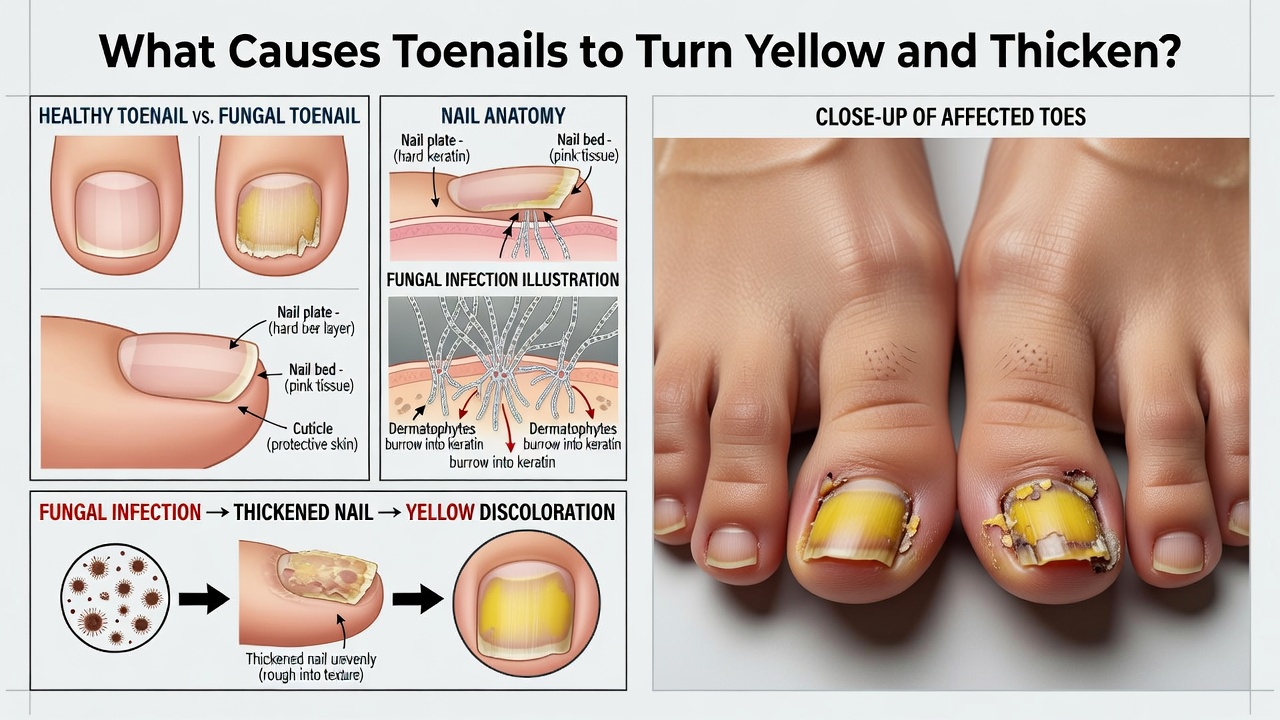
Yellow, thickened toenails are a common concern that affects millions of people worldwide. While the condition is often cosmetic in nature, discolored and brittle nails can signal underlying health issues ranging from fungal infections to systemic diseases. Understanding the root causes of nail discoloration and thickening is essential for determining whether self-care measures or professional medical intervention is needed.
This comprehensive guide explores the primary and secondary causes of yellow, thickened toenails, helping you identify what may be affecting your nail health and when to consult a healthcare provider.
Fungal Infection: The Most Common Culprit
Onychomycosis, or toenail fungus, is the leading cause of yellow, thickened toenails, accounting for approximately 50% of all nail disorders. Fungal infections occur when dermatophytes, yeasts, or non-dermatophyte molds colonize the nail bed and nail plate, causing discoloration, thickening, and brittleness.
Fungi thrive in warm, moist environments, making toenails particularly vulnerable. Risk factors include compromised immune function, diabetes, aging, poor circulation, and frequent exposure to communal areas like swimming pools and locker rooms. Research demonstrates that fungal nail infections become increasingly prevalent with age, affecting up to 12% of the general population and over 20% of adults aged 60 and older.
Fungal nails typically display a yellow or brown discoloration that begins at the free edge or sides of the nail, gradually spreading toward the cuticle. As the infection progresses, the nail plate thickens, crumbles, and may separate from the underlying nail bed—a condition called onycholysis.
Psoriasis and Autoimmune Conditions
Nail psoriasis affects 10-55% of individuals with psoriatic disease and can cause significant nail dystrophy. When psoriasis involves the nail matrix (the tissue beneath the cuticle where nails form), it produces characteristic changes including thickening, discoloration, and a distinctive "oil drop" appearance—a yellowish-brown spot within the nail plate.
Psoriatic nails may also develop pitting (small depressions across the nail surface), subungual hyperkeratosis (thickened tissue beneath the nail), and onycholysis (separation from the bed). Other autoimmune conditions such as lichen planus and alopecia areata can similarly cause nail discoloration and thickening, often requiring dermatological assessment to distinguish from fungal infection.
Systemic Health Conditions
Toenail changes frequently reflect underlying systemic diseases. Yellow nail syndrome, though rare, is characterized by very thick, slow-growing nails with a yellowish hue, often accompanied by respiratory or lymphatic dysfunction. This condition results from impaired lymphatic drainage and may indicate serious health concerns requiring medical evaluation.
Chronic kidney disease, liver cirrhosis, and heart failure can all produce nail changes. Studies show that nail discoloration patterns, such as "Terry's nails" (white nails with dark bands), correlate with renal and hepatic dysfunction. Diabetes significantly increases both fungal infection risk and poor wound healing in the lower extremities, making comprehensive blood sugar management critical for preventing nail complications.
Chronic respiratory infections, HIV/AIDS, and other immunocompromising conditions also elevate fungal toenail infection risk substantially. If you have a known systemic condition and develop new nail changes, report these to your physician promptly.
Trauma and Nail Bed Injury
Repeated toe trauma from tight footwear, sports injuries, or nail salon procedures can damage the nail matrix and nail bed, resulting in permanent thickening and discoloration. A single significant injury may cause the affected nail to thicken and develop a yellow or brown stain that persists as the nail grows out.
Subungual hematoma (bleeding beneath the nail) from blunt force trauma initially appears dark red or purple but may transition to yellow or brown as the blood is resorbed. If trauma has not resolved after several months or if you experience persistent pain, professional evaluation is warranted to rule out infection or nail bed scarring.
Medications and Chemical Exposure
Certain medications and topical substances can cause nail discoloration and thickening. Antimicrobial agents, chemotherapy drugs, and some antibiotics (particularly tetracyclines) have been documented to cause yellow nail pigmentation. Chronic exposure to harsh chemicals, nail polish removers containing formaldehyde, and artificial nail products can weaken and discolor the nail plate.
If you have recently started a new medication or significantly increased use of nail cosmetics, consider whether timing correlates with nail changes. Discontinuing exposure and allowing new nail growth may restore normal appearance over several months, as the damaged nail gradually sheds and healthy nail emerges from the matrix.
Nutritional Deficiencies and Lifestyle Factors
Inadequate nutrition impairs nail growth and structural integrity. Deficiencies in zinc, iron, biotin, and B vitamins can contribute to brittle, discolored nails. Similarly, protein malnutrition affects keratin production, the primary structural protein in nails. Poor circulation from sedentary behavior or vascular disease reduces nutrient delivery to nail tissue, compounding the problem.
Chronic dehydration and poor hygiene practices increase susceptibility to both fungal and bacterial nail infections. Maintaining adequate hydration, consuming protein-rich foods, and ensuring micronutrient sufficiency supports nail health from within. For those concerned about nail quality, nutritional support for nail health may help address underlying deficiencies while treating active infections.
Diagnosis: When to Seek Professional Evaluation
While many causes of yellow, thickened toenails are benign, professional evaluation is essential for accurate diagnosis and appropriate treatment. A dermatologist can examine nail appearance, assess disease pattern, and obtain nail clippings or debris for laboratory analysis. Fungal cultures, KOH (potassium hydroxide) preparations, and PCR testing can definitively identify fungal infection versus other causes.
Seek medical attention if you experience rapid nail deterioration, pain or drainage around the nail, spreading discoloration to multiple nails, or nail changes accompanied by systemic symptoms (fever, weight loss, or joint pain). Additionally, individuals with diabetes, immunosuppression, or peripheral vascular disease should have nail abnormalities evaluated promptly due to increased infection risk and delayed healing.
Treatment and Prevention Strategies
Treatment depends entirely on the underlying cause. Confirmed fungal infections typically require systemic antifungal medications (such as terbinafine or itraconazole) for 6-12 weeks, combined with topical antifungal treatments. Psoriatic nails may respond to topical corticosteroids, vitamin D analogues, or systemic immunosuppressive therapy addressing the underlying autoimmune condition.
Preventive measures include keeping toenails short and dry, avoiding communal areas barefoot, disinfecting nail tools, selecting reputable nail salons with proper sterilization protocols, and maintaining robust foot hygiene. Wearing breathable footwear, managing blood sugar if diabetic, and maintaining healthy circulation through regular activity reduce infection risk substantially.
For age-related changes without active infection, conservative care—including regular trimming, moisturizing with urea-based creams, and addressing nutritional gaps—often improves nail appearance over time. The Mayo Clinic provides evidence-based guidance on toenail fungus treatment options suitable for various infection severities and patient circumstances.
Frequently Asked Questions
Scientific References
Editorial Information
Sarah Mitchell writes educational content covering health, nutrition, and wellness topics. Her work is intended to present information in a clear and accessible format while encouraging readers to consult qualified healthcare professionals for personal medical advice.