What Causes Prostate Cancer Risk to Increase in Men

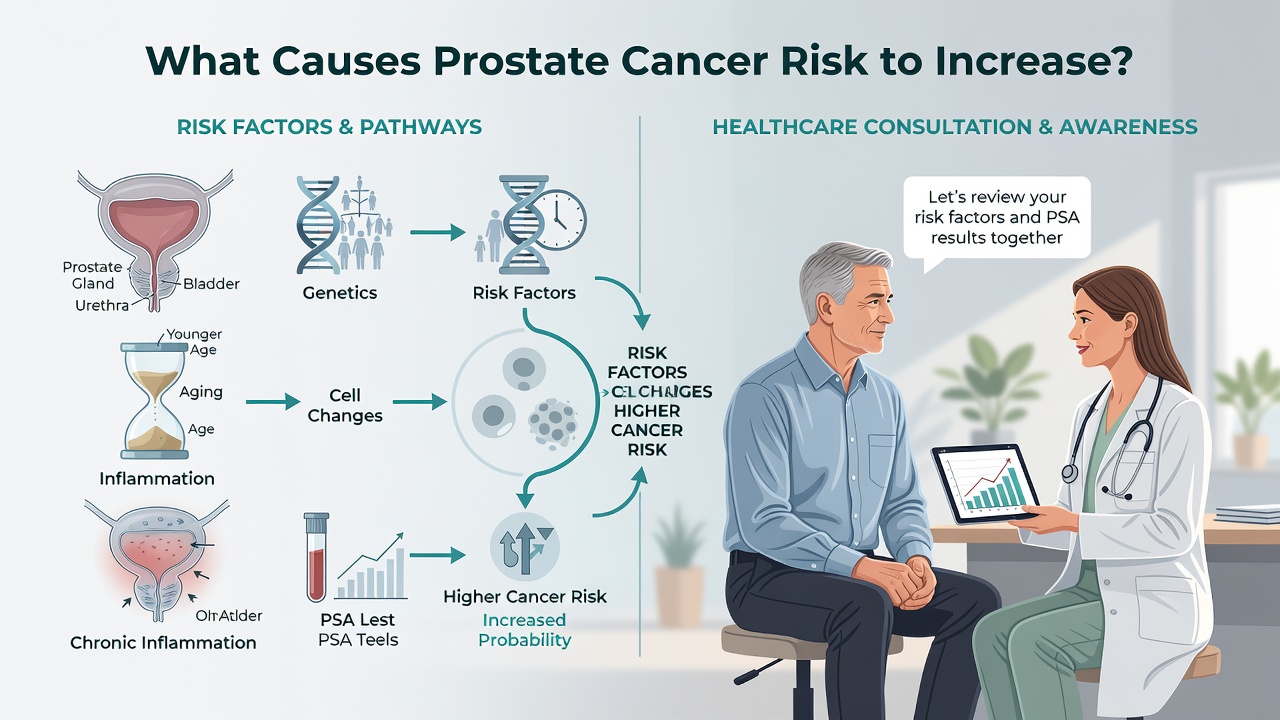
Prostate cancer remains one of the most commonly diagnosed cancers in men, with over 288,000 new cases reported annually in the United States. Understanding the risk factors that increase the likelihood of developing prostate cancer is essential for early detection, screening decisions, and prevention strategies. Unlike many cancers with single clear causes, prostate cancer risk is multifactorial—shaped by age, genetics, ethnicity, hormonal factors, and lifestyle choices. This article explores the primary and secondary risk factors that significantly elevate prostate cancer risk in men.
Age: The Primary Risk Factor
Age is the strongest predictor of prostate cancer risk. The vast majority of prostate cancer cases occur in men over age 50, with incidence rising sharply after age 65. Approximately 90% of prostate cancers are diagnosed in men aged 50 and older. The disease is rarely diagnosed before age 40, making age the most consistent and reliable risk factor across all demographic groups. This age-dependent pattern reflects both the accumulation of cellular mutations over decades and the slower growth rate of many prostate cancer variants that may take years to become clinically significant.
Family History and Genetic Predisposition
Men with a family history of prostate cancer face substantially elevated risk. Having a father or brother diagnosed with prostate cancer increases personal risk approximately two to three-fold compared to men without familial cases. Risk escalates further when multiple family members are affected, when diagnoses occurred at younger ages, or when relatives died from the disease. Approximately 5-10% of prostate cancer cases are considered hereditary, linked to inherited mutations in genes such as BRCA1, BRCA2, and Lynch syndrome genes. Genetic testing and counseling are recommended for men with strong family histories, as these individuals may benefit from earlier and more frequent screening protocols.
Race and Ethnicity
Prostate cancer incidence and mortality rates vary significantly across racial and ethnic groups. African American men experience the highest incidence rates and earlier age of diagnosis compared to all other groups, with disease occurring 1.6 times more frequently than in white men. They also face higher mortality rates and more aggressive disease presentations. Native Hawaiian, Pacific Islander, and Hispanic men also show elevated incidence compared to non-Hispanic white men. Asian and Native American populations traditionally demonstrate lower prostate cancer incidence, though this varies by geographic location and acculturation factors. These disparities likely reflect combinations of genetic susceptibility, socioeconomic factors affecting screening access, environmental exposures, and healthcare inequities rather than biology alone. Men of African descent warrant more aggressive early screening and monitoring protocols according to major medical organizations.
Testosterone and Hormonal Factors
Testosterone and other androgens play a critical role in prostate cancer development and progression. The prostate gland itself depends on testosterone for normal function, and androgens are required for malignant cells to proliferate. Men with higher testosterone levels or greater androgen sensitivity may face modestly increased risk, though the relationship is complex—some studies show a U-shaped curve suggesting very high and very low levels carry different risks. Age-related testosterone decline and the use of hormone replacement therapy have been investigated as risk modifiers. Conversely, understanding that androgens drive prostate cancer forms the basis of hormone-deprivation therapy used to treat advanced disease. Men concerned about hormone-related prostate risk may explore related health topics such as testosterone deficiency and muscle loss, as hormonal balance affects multiple health outcomes.
Diet and Lifestyle Risk Factors
Dietary patterns and lifestyle choices significantly influence prostate cancer risk. High consumption of red meat and processed meats has been associated with increased risk in multiple population studies. Conversely, diets rich in plant-based compounds, lycopene (from tomatoes), omega-3 fatty acids, and cruciferous vegetables appear protective. Obesity and overweight status, particularly excess abdominal fat, correlate with higher prostate cancer risk and more aggressive disease. Physical inactivity compounds this risk—men engaging in regular moderate to vigorous exercise demonstrate reduced incidence. Excessive alcohol consumption, particularly heavy drinking, may increase risk, though moderate consumption has shown mixed associations. Smoking has inconsistently predicted prostate cancer incidence but associates with worse outcomes and higher mortality when cancer develops. The inflammatory environment created by obesity, poor diet, and sedentary behavior may promote malignant transformation in prostate tissue.
Chronic Inflammation and Prostate Health
Chronic prostate inflammation has emerged as a significant mechanistic pathway linking several risk factors to cancer development. Persistent inflammatory markers in prostate tissue can drive epithelial cell proliferation, genomic instability, and angiogenesis—processes central to malignant transformation. Prostate inflammation in younger men may establish long-term tissue damage that progresses to cancer decades later. Sexually transmitted infections, particularly human papillomavirus (HPV), have been investigated as potential contributors to chronic prostate inflammation, though definitive causation remains debated. History of prostatitis (prostate infection or inflammation) may modestly elevate cancer risk. Anti-inflammatory lifestyle measures, including regular exercise, Mediterranean-style diets emphasizing olive oil and plant polyphenols, and management of other inflammatory conditions, may provide some protective benefit.
Environmental and Occupational Exposures
Occupational and environmental exposures have been evaluated as potential prostate cancer contributors, though evidence remains inconsistent. Farming and pesticide exposure have been investigated in multiple studies, with some identifying modestly elevated risk in certain agricultural populations. Exposure to polychlorinated biphenyls (PCBs), Agent Orange (dioxin), and other environmental contaminants have been studied, with veteran populations showing particular interest given military-related exposures. Cadmium exposure through certain occupational settings has demonstrated associations in some research. Overall, environmental factors appear to contribute less significantly than genetic and lifestyle factors, though cumulative exposure over decades of occupational work may modify individual risk profiles. Regular health screening remains advisable for men in high-exposure occupations.
Screening Detection vs. True Cancer Risk
An important distinction exists between factors that increase true cancer risk and factors that increase cancer detection through screening. Prostate-specific antigen (PSA) testing increases detection rates but doesn't necessarily identify more lethal cancers. Some indolent (slow-growing) tumors detected through screening may never progress to clinical significance. Men at higher genetic risk, African American men, and those with positive family histories benefit from earlier screening conversations with healthcare providers. The American Cancer Society recommends informed decision-making about screening beginning at age 50 for men at average risk, age 40-45 for higher-risk populations, and age 40 for those with multiple family members diagnosed with prostate cancer. Discussing individual risk factors with a healthcare provider enables personalized screening recommendations balancing cancer detection against potential harms of overdiagnosis.
Modifiable Risk Reduction Strategies
While age, family history, and ethnicity cannot be changed, several modifiable risk factors deserve attention. Maintaining healthy body weight through balanced nutrition and regular physical activity reduces risk across multiple cancer types, including prostate cancer. Limiting red and processed meat consumption while emphasizing whole grains, vegetables, fruits, and healthy fats aligns with protective dietary patterns. Regular aerobic exercise of 150 minutes weekly and resistance training strengthen overall health and reduce inflammation. Managing stress, ensuring adequate sleep, and limiting alcohol consumption support immune function and hormonal balance. Some evidence suggests that vitamin D sufficiency may play a protective role, though supplementation trials have shown mixed results. Men should discuss personalized prevention strategies with their healthcare providers, considering individual risk profiles.
Frequently Asked Questions
Scientific References
Editorial Information
Sarah Mitchell writes educational content covering health, nutrition, and wellness topics. Her work is intended to present information in a clear and accessible format while encouraging readers to consult qualified healthcare professionals for personal medical advice.