What Causes Poor Circulation in Legs and Feet

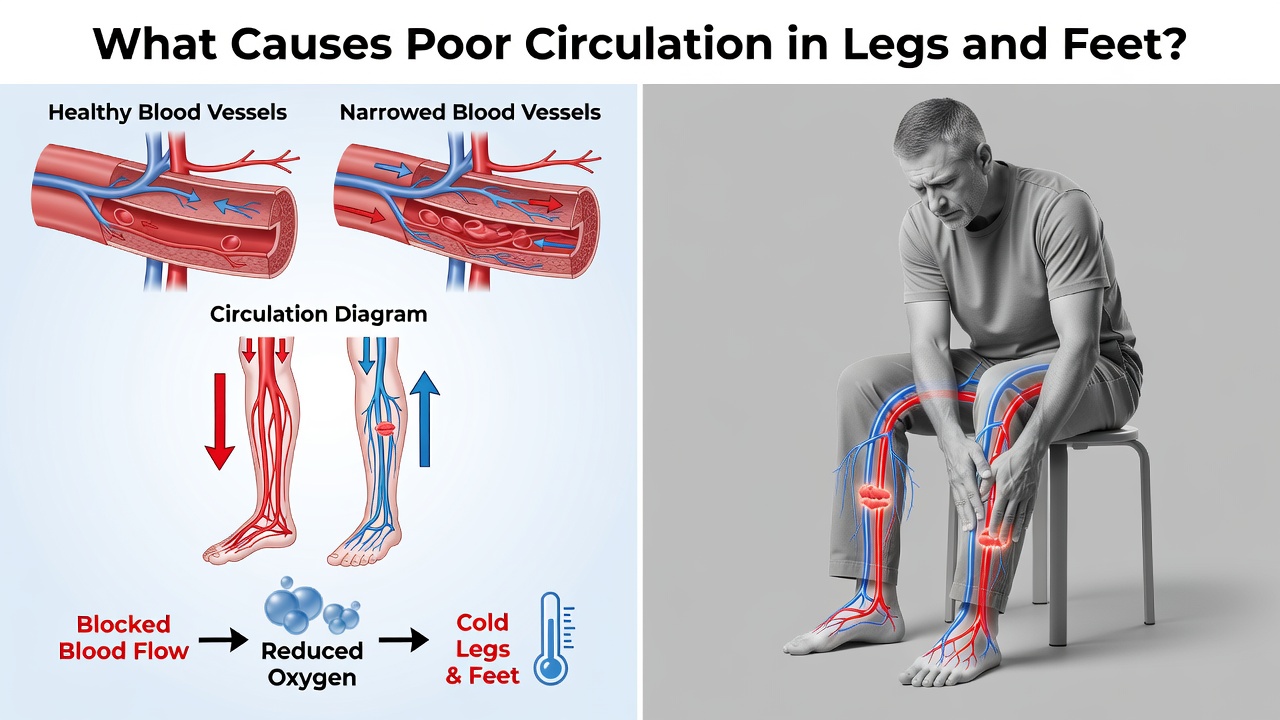
Poor circulation in the legs and feet affects millions of people worldwide, causing symptoms ranging from mild numbness to severe pain and tissue damage. The vascular system's inability to efficiently deliver oxygen-rich blood to the lower extremities can stem from multiple underlying conditions—some easily preventable, others requiring medical intervention.
Understanding the root causes of poor leg and foot circulation is essential for early detection and treatment. This article explains the primary mechanisms behind circulatory problems, identifies risk factors, and outlines evidence-based prevention strategies.
Peripheral Arterial Disease (PAD)
Peripheral arterial disease represents one of the most common causes of poor leg circulation. PAD occurs when atherosclerotic plaque accumulates inside the arteries supplying blood to the lower limbs, narrowing vessel diameter and restricting blood flow. This condition typically develops gradually over years as cholesterol-laden deposits harden and calcify.
According to research published in the American Journal of Cardiovascular Disease, approximately 8.5 million Americans suffer from PAD, with prevalence increasing significantly after age 70. Risk factors include smoking, high blood pressure, diabetes, high cholesterol, and a sedentary lifestyle. Patients with PAD often experience claudication—muscle pain during walking that resolves with rest—as a hallmark symptom.
Blood Clots and Deep Vein Thrombosis
Deep vein thrombosis (DVT) occurs when blood clots form inside deep leg veins, blocking normal circulation and causing swelling, pain, and warmth in the affected leg. DVT represents a medical emergency because clots can dislodge and travel to the lungs, potentially causing life-threatening pulmonary embolism.
Risk factors for DVT include prolonged immobility (long flights, bed rest), surgery, injury, cancer, hormonal birth control, pregnancy, and inherited clotting disorders. The condition requires immediate medical attention and anticoagulation therapy to prevent serious complications.
Diabetes and Metabolic Dysfunction
Diabetes significantly impairs leg and foot circulation through multiple mechanisms. Chronic high blood glucose damages the inner lining of blood vessels, promoting atherosclerosis development and arterial stiffness. Additionally, diabetes causes diabetic neuropathy—nerve damage that reduces sensation and pain perception in the feet, creating a dangerous situation where injuries go unnoticed.
Diabetic patients face a 2-4 times higher risk of developing peripheral vascular disease compared to non-diabetic individuals. The combination of reduced blood flow and nerve damage increases the risk of foot ulcers, infections, and amputation. Maintaining tight glycemic control significantly reduces these complications. For more information on how metabolic disorders affect lower extremities, see our article on high blood sugar and nerve damage in feet.
Varicose Veins and Venous Insufficiency
Varicose veins develop when valve dysfunction in leg veins prevents efficient return of blood to the heart. Blood pools in dilated vessels, causing visible bulging veins, swelling, pain, and skin changes. Chronic venous insufficiency predisposes patients to blood clots and skin ulceration.
Factors contributing to varicose vein development include prolonged standing, pregnancy, obesity, age, and family history. While often considered cosmetic, severe venous insufficiency can lead to significant complications if left untreated.
Hypertension and Endothelial Dysfunction
Chronic high blood pressure damages the endothelium—the delicate inner lining of blood vessels—promoting inflammation and arterial stiffness. This endothelial dysfunction reduces the vessel's ability to dilate properly and deliver blood efficiently to tissues. Over time, hypertension accelerates atherosclerosis, increasing PAD risk substantially.
A comprehensive review in Hypertension journal demonstrated that individuals with uncontrolled blood pressure showed 3-5 times greater incidence of peripheral circulation problems. Managing blood pressure through medication, dietary changes, and exercise represents a critical prevention strategy.
Lifestyle and Modifiable Risk Factors
Smoking remains the single most modifiable risk factor for poor circulation. Nicotine constricts blood vessels and damages the endothelium, while carbon monoxide reduces oxygen-carrying capacity in the blood. Smokers develop PAD at significantly younger ages than non-smokers and face worse outcomes.
Physical inactivity contributes to poor circulation by reducing natural blood flow stimulation and promoting metabolic dysfunction. Conversely, regular aerobic exercise—even moderate activity like brisk walking—improves circulation, vessel function, and collateral blood vessel formation.
Obesity increases inflammation throughout the vascular system and elevates blood pressure, both directly impairing circulation. Excess adipose tissue also produces inflammatory cytokines that damage endothelial function and accelerate atherosclerosis.
Poor diet high in saturated fats and processed foods drives LDL cholesterol elevation and chronic inflammation, both key atherosclerosis drivers. A Mediterranean-style diet rich in vegetables, fish, and healthy oils supports vascular health.
Additional Causative Conditions
Raynaud's phenomenon causes episodic vasospasm in small arteries of the feet and toes, temporarily restricting blood flow and causing color changes and numbness. While usually benign, severe cases can impair circulation.
Lymphatic obstruction prevents proper fluid drainage from tissues, causing swelling that can compress blood vessels and impair circulation. Cancer, infection, or surgical removal of lymph nodes frequently causes this condition.
Aneurysms and vascular malformations can distort normal blood flow patterns. Compartment syndrome, where swelling within a muscle compartment compresses vessels, represents a surgical emergency.
Inflammatory conditions like rheumatoid arthritis and lupus damage blood vessel walls, increasing atherosclerosis risk and causing vasculitis.
Warning Signs and Symptoms
Poor leg and foot circulation presents with characteristic symptoms warranting medical evaluation:
- Cramping pain in calf, thigh, or buttock during activity
- Numbness, tingling, or coldness in feet and toes
- Pale or bluish skin color in affected areas
- Slow-healing wounds or ulcers on feet
- Hair loss on lower legs
- Shiny skin appearance
- Swelling in ankles and feet
- Erectile dysfunction in men (indicator of systemic vascular disease)
Diagnostic Evaluation
Healthcare providers employ multiple diagnostic tools to identify circulation problems. The ankle-brachial index (ABI) compares blood pressure measurements at the ankle versus arm, with abnormally low ratios indicating arterial stenosis. Doppler ultrasound produces real-time imaging of blood flow through vessels. CT angiography and magnetic resonance angiography provide detailed vessel visualization when intervention planning is needed.
Laboratory testing evaluates contributing factors including lipid panels, glucose levels, inflammatory markers, and clotting studies. Complete evaluation allows targeted treatment addressing underlying causes rather than symptoms alone.
Prevention and Management Strategies
Smoking cessation represents the single most impactful intervention. Quitting smoking immediately begins reversing endothelial damage and reducing thrombotic risk.
Regular exercise improves circulation through multiple mechanisms. Aerobic activity promotes angiogenesis (new blood vessel formation), reduces inflammation, and improves endothelial function. Exercise capacity directly correlates with survival in PAD patients.
Blood pressure and cholesterol management through medication and lifestyle modifications prevents atherosclerosis progression. Target values generally include blood pressure below 130/80 mmHg and LDL cholesterol below 100 mg/dL.
Weight management through caloric reduction and increased activity reduces metabolic stress on the vascular system. Even 5-10% weight loss improves circulation markers in overweight individuals.
Dietary optimization emphasizing whole grains, vegetables, lean proteins, and healthy fats supports vascular health while reducing atherosclerosis drivers.
Compression therapy and leg elevation help manage venous insufficiency symptoms and reduce swelling.
For comprehensive information about related circulatory concerns, consult the American Heart Association resource center.
Frequently Asked Questions
Scientific References
Editorial Information
Sarah Mitchell writes educational content covering health, nutrition, and wellness topics. Her work is intended to present information in a clear and accessible format while encouraging readers to consult qualified healthcare professionals for personal medical advice.