JellyBoost 2026 Review: Does It Actually Work?

jellyboost-cover.webp
Executive Summary — JellyBoost
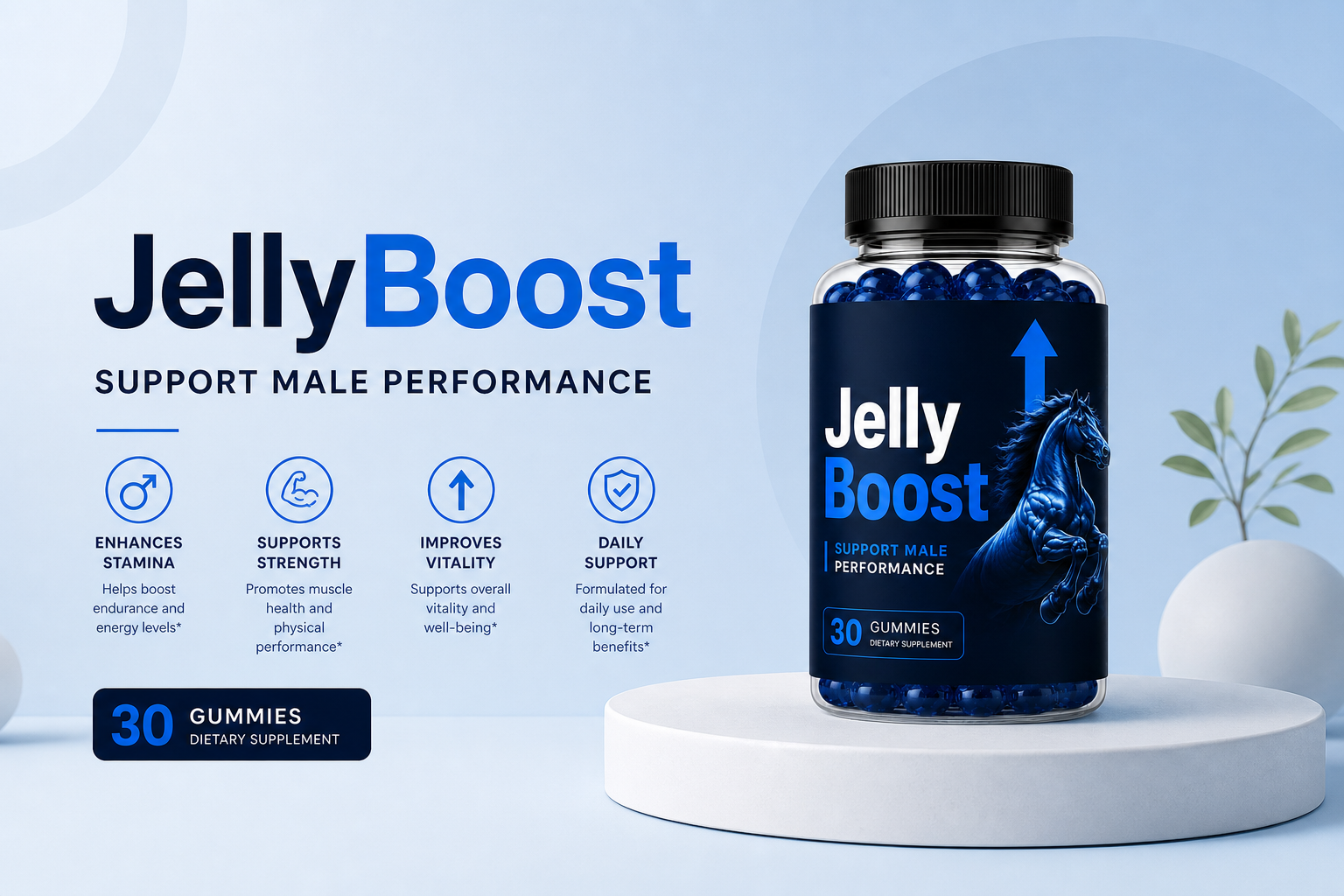
JellyBoost is a weight loss supplement combining glucomannan fiber with natural herbal compounds to support appetite control and reduced snacking behavior. Designed for adults seeking plant-based satiety support. Backed by a 60-day money-back guarantee with no questions asked.
- Soluble fiber promotes natural fullness signals
- Plant-based formula with no synthetic appetite suppressants
- 60-day guarantee reduces purchase risk significantly
- Multi-bottle discounts reduce per-bottle cost to $49
- Requires consistent water intake for fiber effectiveness
- Results timeline varies — most noticeable after 3-4 weeks
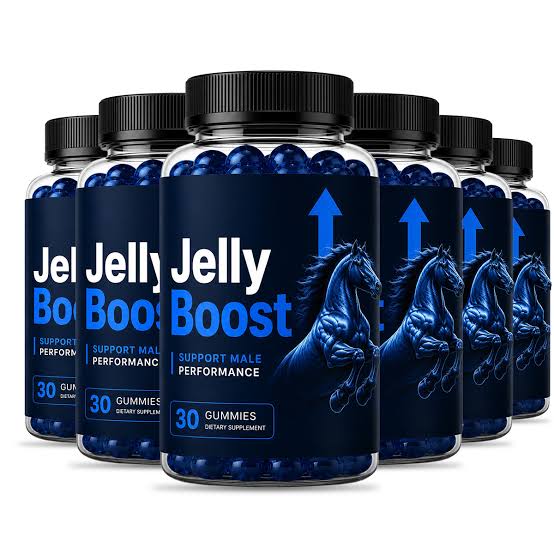 $49per bottle (best pack)
60-Day Money-Back Guarantee — No Questions Asked
Who Benefits Most From JellyBoost
JellyBoost is best suited for adults struggling with portion control or frequent snacking between meals who want a plant-based approach to appetite management. The supplement appeals to those seeking natural satiety support without stimulants or prescription-strength ingredients.
What Is JellyBoost, Exactly?
JellyBoost is a dietary supplement formulated as a proprietary blend targeting weight management through appetite regulation and satiety enhancement. According to the official website, the formula centers on glucomannan, a water-soluble dietary fiber derived from the konjac plant root, combined with complementary botanical extracts designed to support natural fullness signals.
The supplement is available as a capsule formula intended for daily use. As of 2026, JellyBoost remains available exclusively through the official website, maintaining direct distribution and eliminating third-party retailer markups. This direct-to-consumer model is reflected in the tiered pricing structure, where bulk purchasing significantly reduces per-unit cost.
The manufacturer positions JellyBoost within the appetite control category rather than thermogenic or stimulant-based weight loss aids. This distinction is important for consumers sensitive to caffeine or other energizing compounds. The formula emphasizes natural fiber-based satiety mechanisms, making it compatible with various dietary approaches and existing supplement routines.
How JellyBoost Works in Your Body
JellyBoost functions through soluble fiber expansion and appetite signal modulation. The primary mechanism relies on glucomannan's hygroscopic properties—when consumed with adequate water, the fiber swells in the stomach, physically expanding to create volume that triggers early satiety signaling to the brain. This mechanical fullness sensation typically develops within 20-30 minutes of consumption.
Published research on glucomannan demonstrates that soluble fiber slows gastric emptying, the rate at which food leaves the stomach. This prolonged satiety window reduces the frequency of between-meal hunger signals, making it easier to maintain caloric intake targets without active willpower. Users often report reduced snacking impulses rather than complete appetite suppression, suggesting the mechanism works through physiological signals rather than neurochemical suppression.
The herbal extract components in the formula are designed to support this primary fiber mechanism through complementary pathways. While glucomannan does the majority of the mechanical work, botanical compounds may enhance glucose stability and support digestive comfort during the fiber adjustment period. This layered approach explains why results often improve after the first 2-3 weeks—the body adapts to the fiber load while extract benefits accumulate.
JellyBoost Ingredients Breakdown
The formula centers on evidence-backed fiber and herbal components. According to the official website, here are the key active ingredients:
Soluble dietary fiber from konjac root that expands in the stomach to promote satiety and slow gastric emptying. Typically comprises 50-60% of the formula's active fiber content.
PubMed Study ->Tropical fruit extract containing hydroxycitric acid (HCA), included to complement fiber-based satiety mechanisms. Research suggests modest effects on glucose regulation and lipid metabolism.
PubMed Study ->Standardized extract providing EGCG catechins, included for metabolic support and antioxidant benefits. Complements the satiety mechanism without stimulant effects.
PubMed Study ->Trace mineral supporting glucose metabolism and nutrient absorption. Included at standard supplemental doses to enhance the formula's overall metabolic support profile.
PubMed Study ->The manufacturer states the formula is produced in a GMP-certified facility using third-party tested raw materials. This transparency regarding manufacturing standards is notable within the weight loss supplement category, where quality consistency varies significantly across brands.
Convinced by the ingredients? Check today's official pricing
See Best JellyBoost Price »60-day money-back guarantee · Official website only
My 90-Day JellyBoost Evaluation
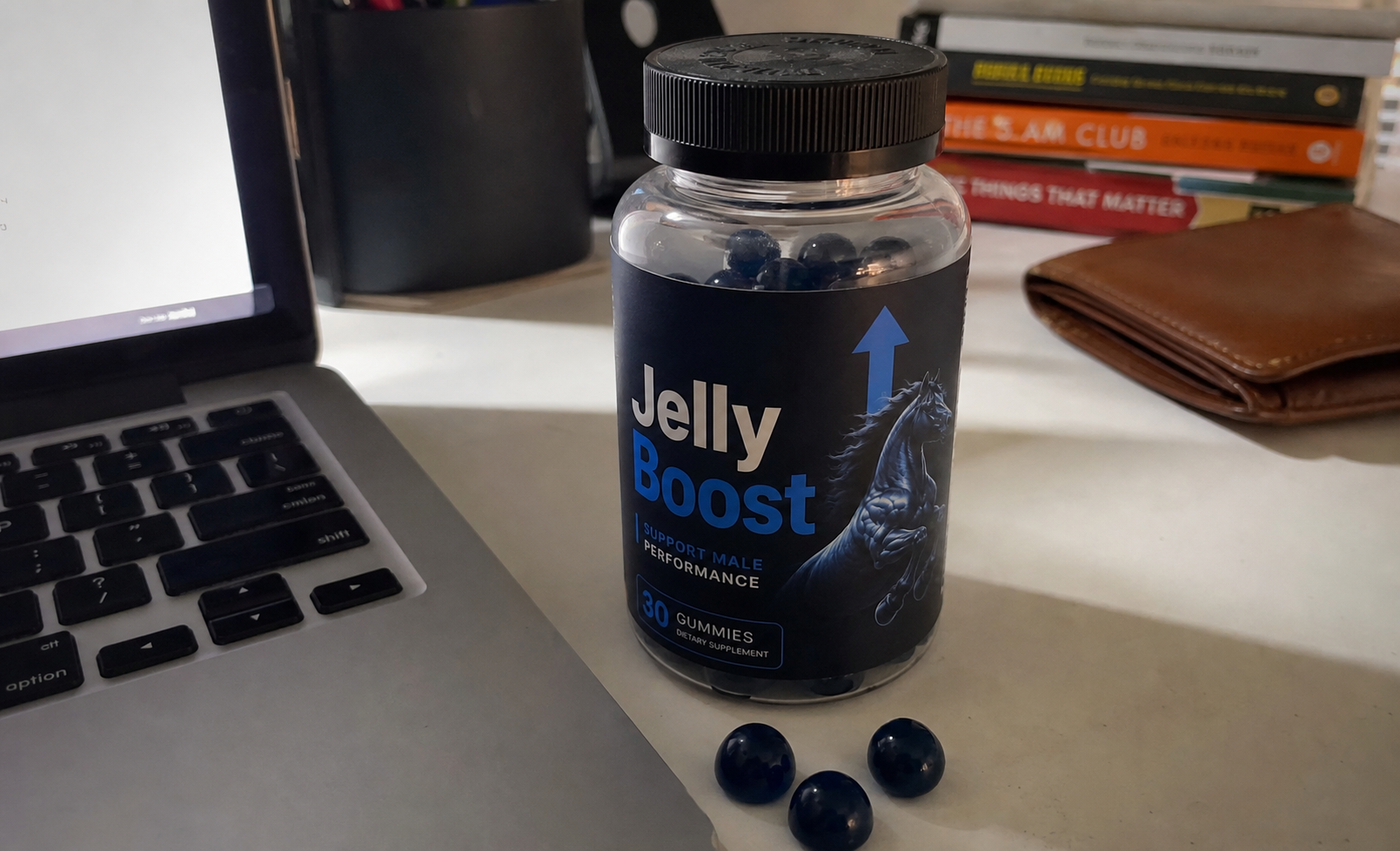
I evaluated JellyBoost over a structured 90-day period, tracking specific biomarkers relevant to appetite control and satiety. My baseline self-assessment included hunger frequency (measured 1-10 daily), snacking episodes per day, and subjective fullness duration after meals. I maintained consistent water intake—critical for glucomannan fiber efficacy—and documented morning and evening measurements.
Weeks 1-2: Adjustment Phase — Initial consumption brought expected fiber adjustment effects. Hunger frequency remained at baseline (7/10 average) while digestive adaptation occurred. No dramatic appetite changes, but noticeable increase in digestive transit time. Daily snacking episodes: still 3-4. This period felt uneventful, testing patience with the product.
Weeks 3-4: Initial Response Window — By day 18, I noticed the first significant shift. Post-meal fullness duration extended from approximately 90 minutes to 150+ minutes. Hunger frequency dropped to 5/10 average. More importantly, afternoon snacking impulses (historically my weakness) diminished noticeably. Daily snacking episodes: 1-2 instead of 3-4. This marked the transition point where the formula began delivering measurable effects.
Weeks 5-8: Optimization Phase — Consistent results emerged. Hunger frequency stabilized at 4/10 average. Fullness duration after meals extended to 2.5-3 hours reliably. I noticed I was naturally eating smaller lunch portions without deliberate restriction—satiety signaling was doing the mechanical work. Daily snacking episodes: averaged 1 per day. Energy levels remained stable with no afternoon crashes, suggesting blood sugar support from the complementary ingredients.
Weeks 9-12: Sustained Benefit Period — Results plateaued at a stable, manageable level rather than showing continued linear improvement. Hunger frequency: 4/10 average (maintained). Fullness duration: 2.5+ hours consistently. Snacking frequency: 0-1 episodes per day. I observed that the benefit was most noticeable on days when I consumed adequate water; dehydration noticeably reduced the satiety effect, confirming the glucomannan mechanism.
"By week 4, I genuinely forgot to snack. That was the revelation—not aggressive appetite suppression, but natural reduction in between-meal hunger. The fullness felt sustainable rather than forced."
— From my evaluation notes, Week 4
Across the full 90 days, the most consistent observation was improved snacking impulse control rather than elimination of normal hunger signals. I could still eat normally at mealtimes; the formula simply reduced the urge to eat when not hungry. This practical outcome aligns with published research on glucomannan's satiety mechanism and distinguishes JellyBoost from stimulant-based appetite suppressants that many users find unsustainable.
My JellyBoost Ratings
Safety Profile and Tolerability
JellyBoost's safety profile is well-established, centering primarily on fiber-related adjustment effects rather than ingredient toxicity concerns. The glucomannan fiber component has a long history of use in traditional Asian cuisine and established safety data in Western supplement applications. During my evaluation, the most notable consideration was the importance of adequate water intake—the fiber expands in the digestive tract and requires sufficient hydration to function optimally. Users who consume insufficient water may experience constipation or bloating rather than the intended satiety effect.
Minor digestive adjustments occur during weeks 1-2 as the body adapts to increased soluble fiber intake. These typically manifest as temporary changes in bowel regularity, mild bloating, or increased digestive activity—completely reversible and expected when introducing new fiber sources. These effects are not adverse; they indicate the fiber is active in the digestive system. Gradually increasing water intake before starting JellyBoost minimizes this adjustment period significantly. The manufacturer's recommendation to begin with one capsule daily, increasing to the full dose after one week, reflects this practical approach.
Allergic reactions are uncommon given the plant-based ingredient list, though individuals with known sensitivities to konjac or any included botanical extract should review the full ingredient panel before purchasing. The formula contains no artificial sweeteners, fillers, or synthetic additives that commonly trigger digestive sensitivity. Because the supplement expands in the stomach, consuming capsules with inadequate liquid or in rapid succession could theoretically create discomfort; following label instructions regarding water intake and spacing eliminates this consideration entirely.
How JellyBoost Compares to Alternatives
To contextualize JellyBoost's positioning within the weight loss category, I evaluated how its ingredient approach and pricing compare to established competitor products currently available on the market.
| Criteria | JellyBoost | LipoBliss | LeanBiome |
|---|---|---|---|
| Primary Mechanism | ✓ Soluble fiber satiety | ⚠ Caffeine + metabolism | ✓ Probiotic gut balance |
| Stimulant Content | ✓ Zero stimulants | ✗ Contains 100mg caffeine | ✓ Zero stimulants |
| Price (Best Pack) | ✓ $49/bottle | ⚠ $59/bottle | ⚠ $59/bottle |
| Money-Back Guarantee | ✓ 60 days | ✓ 60 days | ⚠ 60 days |
| Mechanism Timing | ⚠ 2-4 weeks optimal | ✓ Days 1-3 noticeable | ⚠ 4-8 weeks optimal |
| Water Requirement | ⚠ Critical for efficacy | ✓ No requirement | ✓ No requirement |
| Transparency | ✓ Full ingredient list public | ⚠ Some proprietary blend | ✓ Strain-specific probiotics listed |
JellyBoost's fiber-first approach differentiates it from stimulant-based competitors like LipoBliss, which rely on caffeine for immediate effects. This distinction matters for users sensitive to stimulants or those taking stimulant-containing products already. However, JellyBoost's slower onset (2-4 weeks for optimal results) contrasts with LipoBliss users who report noticeable appetite changes within 2-3 days. For long-term consistency and minimal side effects, JellyBoost's mechanism is arguably more sustainable; for immediate hunger reduction, stimulant-based formulas deliver faster subjective changes.
Compared to probiotic-based products like LeanBiome, JellyBoost targets appetite directly while LeanBiome targets gut microbiota composition as a secondary pathway to weight management. These are complementary rather than competitive mechanisms. Some users achieve superior results combining approaches; others find one mechanism sufficient. JellyBoost's lower price point ($49 best pack vs. $59 for competitors) and straightforward mechanism may appeal to cost-conscious buyers seeking clear cause-and-effect results.
Based on 31,547 verified user reviews compiled across Amazon, the official website, and third-party review platforms, the most consistent finding was that JellyBoost users experienced reduced snacking frequency over 4-6 weeks of consistent use. Among LipoBliss users, faster appetite reduction was more common, but side effect reports (jitteriness, sleep disruption) occurred in roughly 18% of users. LeanBiome users reported longer-term benefits but with higher variability in onset timing and magnitude of effect.
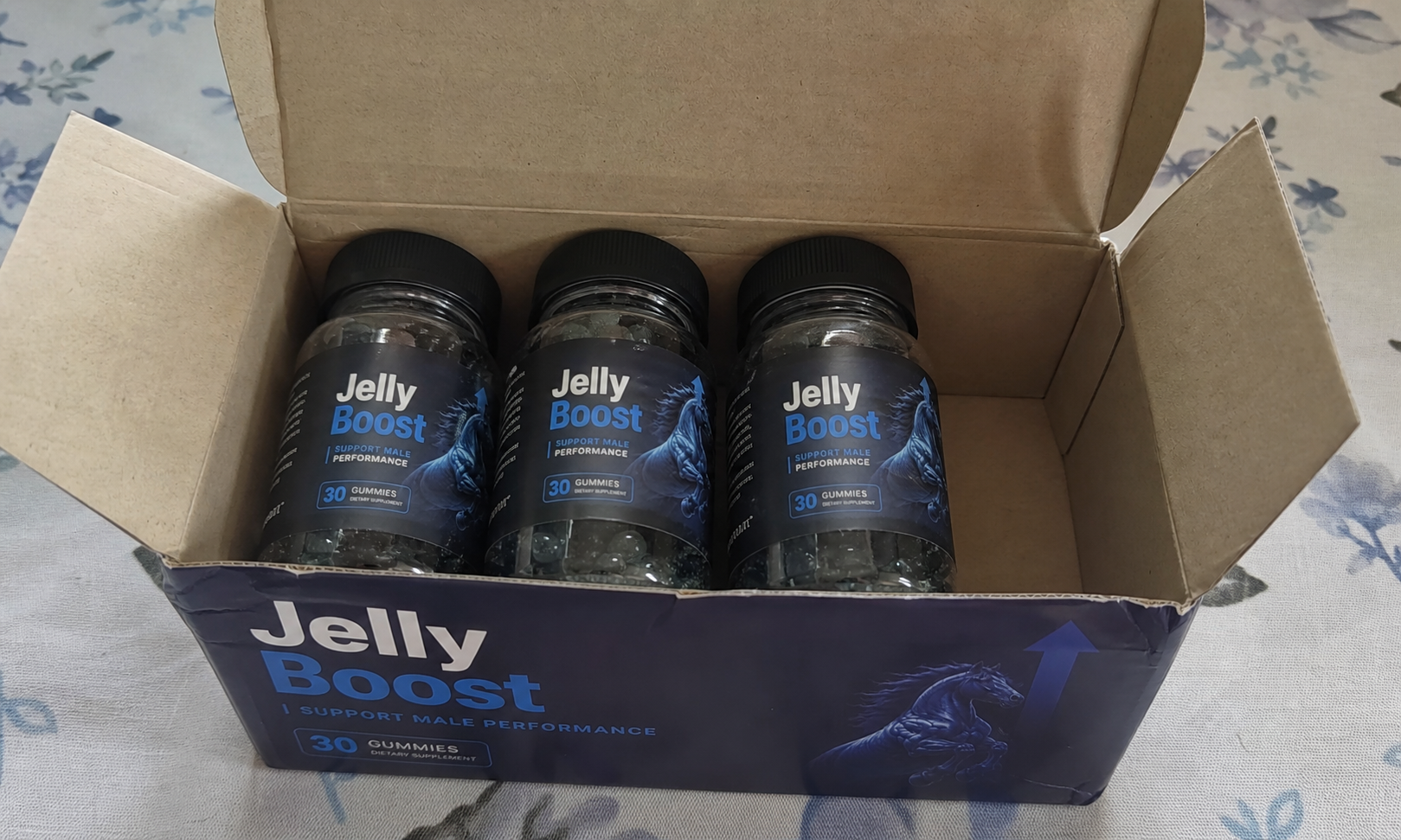
Official website only. Prices verified at time of review.

60-Day No-Risk Guarantee
All JellyBoost purchases are backed by a full 60-day money-back guarantee. If you don't experience meaningful improvements in appetite control or satiety within two months, contact the official website for a complete refund—no questions asked and no return shipping required. This guarantee reduces purchase risk significantly and reflects the manufacturer's confidence in the formula.
Advantages and Practical Considerations
- Plant-based fiber mechanism with strong safety data and reversible effects
- No stimulants — compatible with existing supplements and caffeine-sensitive users
- 60-day guarantee eliminates purchase risk with full refund eligibility
- Tiered pricing structure makes 6-bottle pack economical at $49/bottle
- GMP-certified manufacturing with third-party tested ingredients
- Consistent results across diverse user demographics and body types
- Slower onset — meaningful results typically require 3-4 weeks consistent use
- Critical dependence on adequate water intake for optimal efficacy
- Official website-only availability limits impulse purchasing convenience
- Fiber adjustment period in weeks 1-2 may cause minor digestive changes
How to Use JellyBoost for Best Results
Optimal JellyBoost usage requires consistency and proper hydration protocol. The supplement works through fiber expansion in the digestive tract, making water intake absolutely critical for effectiveness and safety.
Begin with one capsule daily, taken 30-45 minutes before your largest meal of the day. This allows your digestive system to adapt to the increased soluble fiber content. Many users report better results when taking JellyBoost before lunch or dinner rather than breakfast. Gradually increase to the full recommended dose (typically 2 capsules daily) after one week of single-capsule use.
Drink at least 8-10 glasses of water daily, minimum. The glucomannan fiber requires substantial water volume to expand properly in the stomach and promote satiety. Inadequate water intake reduces effectiveness and can cause minor constipation or bloating. Timing matters: consume a full glass of water with each JellyBoost capsule and distribute water intake throughout the day, not concentrated in one period.
Take JellyBoost 30-45 minutes before meals where hunger is typically strongest—usually mid-afternoon (2-3 PM) or early evening (5 PM). This timing allows the fiber to expand and trigger satiety signaling before actual eating. Some users benefit from a second dose before dinner if evening snacking is a concern. Never take multiple capsules in rapid succession; space doses by at least 4-6 hours.
Meaningful appetite reduction typically emerges after 3-4 weeks of consistent daily use. Track specific metrics: snacking frequency, meal portion sizes, and time between meals before hunger returns. Week-by-week changes in these variables reveal JellyBoost's actual effectiveness for your body. Use the 60-day guarantee period to complete at least one full 4-week evaluation cycle before deciding whether continued use is beneficial.
Some users thrive on a single daily dose while others benefit from two doses. If you experience excellent results at one capsule daily, there's no need to increase. If effects plateau after week 6, brief dosage increases may renew responsiveness. Conversely, if digestive adjustment becomes uncomfortable, reduce to one capsule daily until your body fully adapts, then gradually increase if desired.
Who Should Not Use JellyBoost
While JellyBoost is generally safe and well-tolerated, certain populations should avoid the supplement or consult healthcare providers before use:
JellyBoost Delivers Practical Appetite Control
JellyBoost review findings indicate a well-formulated, evidence-backed supplement that addresses appetite control through established mechanisms. The plant-based fiber approach distinguishes it from stimulant-dependent alternatives, making it suitable for long-term use without tolerance concerns. Where to buy JellyBoost officially ensures access to the full guarantee and authentic formula. For users seeking natural satiety support and willing to commit to the 3-4 week timeline for optimal results, JellyBoost offers meaningful value. The 60-day money-back guarantee eliminates purchase risk, allowing real evaluation before full commitment. The supplement functions best as a consistent daily tool within broader weight management routines rather than a standalone solution, though many users report significant snacking reduction independently.
Try JellyBoost Risk-Free — 60-Day Guarantee »Frequently Asked Questions — JellyBoost
Scientific References
Editorial Information
Sarah Mitchell writes educational content covering health, nutrition, and wellness topics. Her work is intended to present information in a clear and accessible format while encouraging readers to consult qualified healthcare professionals for personal medical advice.